Alexander Yankovsky
Former Campaign for 100% Renewable Energy Associate, Environment America Research & Policy Center

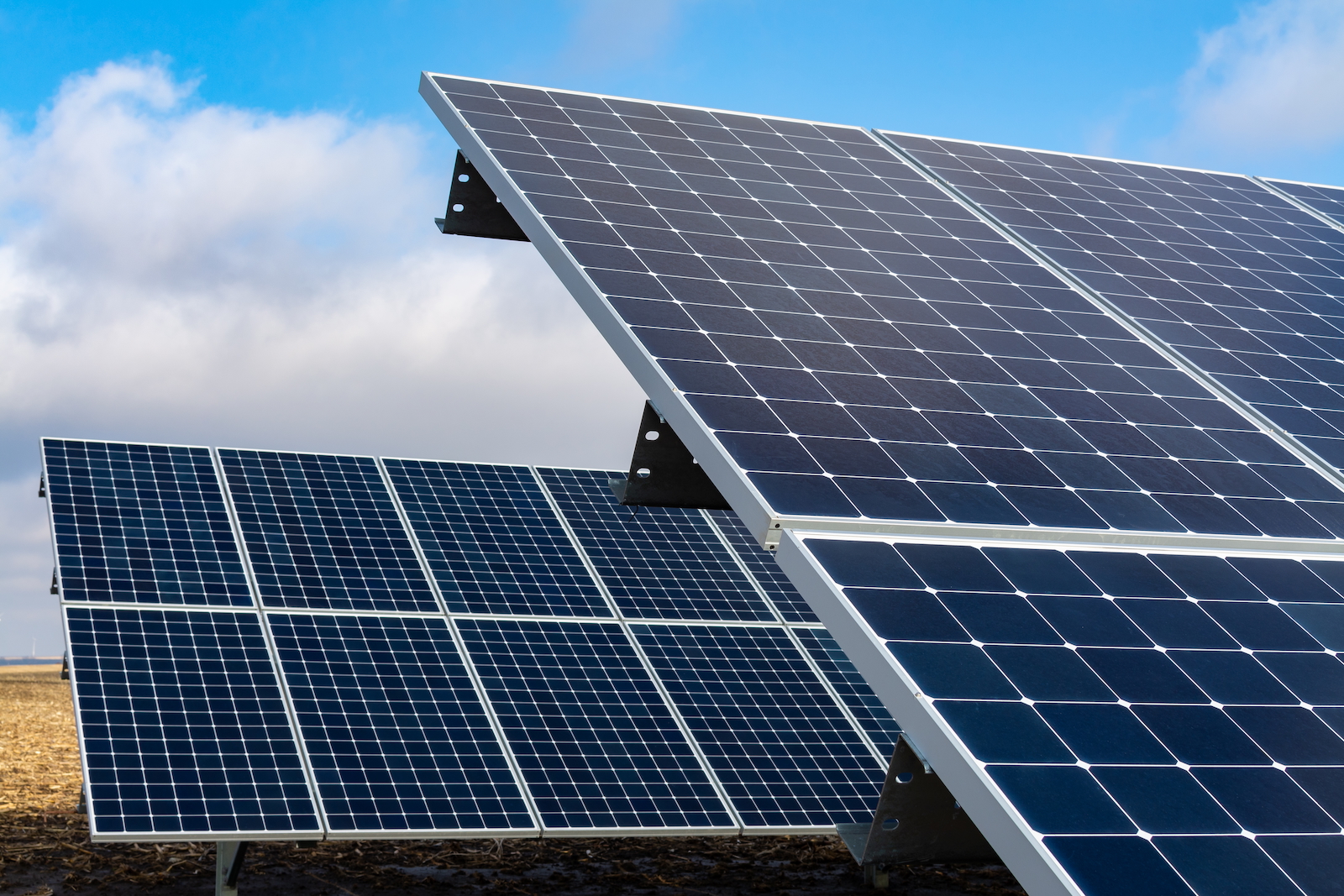
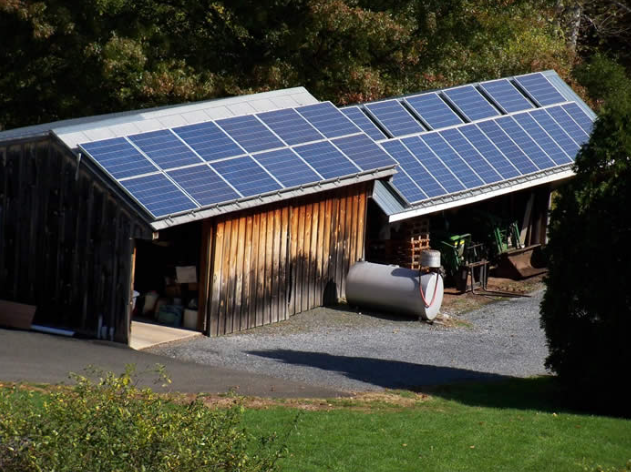
Solar has led all energy sources in new capacity additions for 27 consecutive months

In the first eleven months of 2025, renewable energy sources accounted for nearly 88% of all new electrical generating capacity added in the United States, according to new data published by the Federal Energy Regulatory Commission (FERC) in January 2026.
Solar alone provided 72.1% of new generating capacity year-to-date, with 25,467 megawatts coming online. Wind energy contributed another 15.8%, adding 5,563 MW of new capacity, a 71% increase compared to the same period in 2024. Together, solar and wind now constitute 24% of the nation’s installed utility-scale generating capacity.
In November 2025 alone, solar and wind combined for 93% of all new capacity additions, the second-highest monthly total of the year. Solar has now been the largest source of new generating capacity for 27 consecutive months, dating back to September 2023.
“Solar is America’s most abundant renewable energy source and today’s technology allows us to harness it more efficiently than ever before,” said Johanna Neumann, Senior Director of the Campaign for 100% Renewable Energy at Environment America Research & Policy Center.
FERC’s three-year forecast projects significant continued growth. By late fall 2028, utility-scale solar would account for more than 17% of installed U.S. generating capacity.
“The sooner we power America with renewable energy sources, the sooner we all reap the benefits of less pollution to our air, land and water,” said Neumann.