
How one bill could undo decades of progress in appliance and equipment efficiency
Updated
Fifty years ago, American homes were energy hogs. Refrigerators guzzled electricity. Heated air escaped through leaky walls. The amount of energy wasted was absurd. Today, much has changed for the better. Between environmental, health and financial savings, the energy efficiency gains we’ve scored in recent decades have been a win for everyone.
One of the major drivers of these gains are federal energy efficiency standards. Efficiency standards for equipment Americans use in their daily lives have been a mainstay of U.S. energy policy since the 1990s and states have been establishing their own policies and programs since the 1970s.
These standards save consumers energy – and the collective energy savings translate into massive environmental, health and financial gains. If it weren’t for energy efficiency standards, U.S. households would spend more than $500 extra on energy and water bills each year.
And there’s no reason that efficiency standards should stop delivering benefits for the American people. Experts predict that future appliance efficiency standards could save U.S. households an average of nearly $150 annually on their utility bills between 2030–2050. Energy savings from future standards would also translate to real reductions in pollution. Future standards have the potential to lower carbon dioxide emissions by close to 1 billion metric tons through 2050 while also cutting pollutants that directly harm human health.
But unfortunately, much of the progress we have made on cutting energy waste is at risk.
The United States Congress is considering a bill that would undermine energy efficiency standards for appliances and equipment.
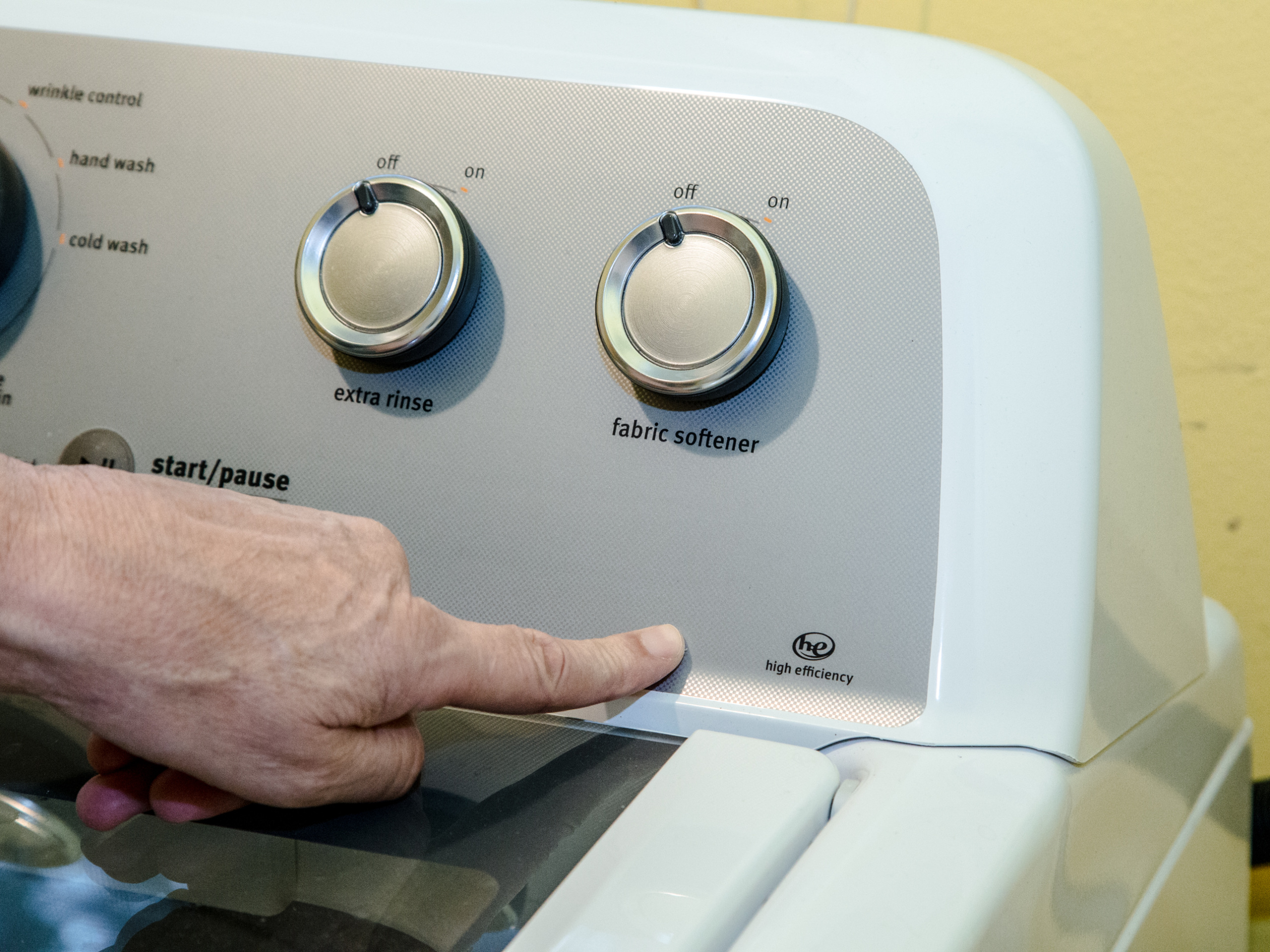
Federal appliance energy efficiency standards set minimum energy or water efficiency requirements for certain products. These standards save Americans money every day while reducing emissions by avoiding unnecessary energy generation and use. Updated periodically, the standards ensure that each generation of Americans can do more with less energy.
These standards are threatened by a new bill Congress is considering: H.R. 4626.
H.R. 4626 would put today’s appliance energy saving and water saving standards at risk and threaten the ability to strengthen them as technology continues to improve. H.R. 4626 would give the administration new powers to roll back today’s standards. It would also direct the Department of Energy (DOE) to “evaluate” standards in the two years after they are finalized – creating immediate uncertainty for manufacturers, who invest in upgrading their product lines to prepare for set compliance dates.
H.R. 4626 goes further still: if a product’s efficiency standard is successfully gutted under the bill, states would be specifically prohibited from setting their own standards for the product. For decades, states have set standards to protect consumers when there is no federal standard.
In fact, the first standards were set by California before the federal government took action. H.R. 4626 would revoke states’ long-standing authority to set standards themselves.
Furthermore, the bill would stymie future progress by adding roadblocks for future administrations seeking to update standards and would reduce accountability for federal regulators.
In cases where the additional upfront cost of an efficient product is paid back in over three years, HR 4626 would prohibit efficiency standards on those products, even for those that last for decades. This would block many standards. For example, a 2014 standard for commercial refrigeration equipment was estimated to save businesses a net of about $900 over the life of a certain type of model. But it would have been prohibited under this bill because it takes 5.7 years to pay back, even though the product lasts an average of 10–15 years.
Under H.R. 4626, if an efficiency standard would save less than 0.3 quadrillion Btu of energy and reduce energy or water use by less than 10%, DOE would be prohibited from implementing the standard – even though standards that don’t meet these arbitrary thresholds can still bring significant cost savings to families and businesses.
H.R. 4626 would create new powers for presidents to attack efficiency standards for appliances and equipment, raising costs for families and businesses. It would also erect new roadblocks for future administrations trying to update standards, keeping old, energy-wasting technologies on the market.
The bill would also eliminate the primary accountability tool ensuring DOE regulators periodically update standards when beneficial to the public. This process, set in a bipartisan 2007 law, uses an eight-year review cycle to assess and implement necessary updates based on technological advances.
Future standards are critical as technological improvements across products continue to come to market. Major energy savings could be achievable through future standards—as long as they are not blocked.
Future standards could reduce cumulative carbon dioxide emissions by close to 1 billion metric tons through 2050 while also cutting emissions that directly harm human health, including nitrogen oxides (NOx) and sulfur dioxide (SO2).
Pollutants like NOx and SO2 can cause people to develop asthma and aggravate other respiratory conditions; children are especially vulnerable to these pollutants. Both of these pollutants can also contribute to particulate matter, particles that can be inhaled deep into the lungs and are linked to heart conditions and respiratory issues.
By 2040, future standards could reduce U.S. electricity consumption by an amount equivalent to nearly 5% of projected consumption and reduce peak demand by 32 gigawatts. That’s equivalent to the power produced by 64 standard 500 megawatt coal-fired power plants.
From 2030 to 2050, these standards could save U.S. households an average of nearly $150 annually on their utility bills while businesses nationwide could collectively save $13.8 billion annually.
H.R. 4626 would perpetuate and encourage energy waste. Energy waste means higher levels of pollution that harm human and environmental health while causing more strain on our grid and on our budgets. Take action today by writing to your representative to ask them to vote no on H.R. 4626.
Senior Director, Campaign for 100% Renewable Energy, Environment America
Johanna directs strategy and staff for Environment America's energy campaigns at the local, state and national level. In her prior positions, she led the campaign to ban smoking in all Maryland workplaces, helped stop the construction of a new nuclear reactor on the shores of the Chesapeake Bay and helped build the support necessary to pass the EmPOWER Maryland Act, which set a goal of reducing the state’s per capita electricity use by 15 percent. She also currently serves on the board of Community Action Works. Johanna lives in Amherst, Massachusetts, with her family, where she enjoys growing dahlias, biking and the occasional game of goaltimate.
Campaign for 100% Renewable Energy, Associate, Environment America
Caitlin works on Environment America's solar power and energy efficiency campaigns. Caitlin lives in Denver with her Shetland Sheepdog, where she enjoys hiking, paddle boarding and trivia.