Governor: Let’s plant milkweed on public lands to save monarch butterflies

Save water, promote biodiversity and help wildlife all by planting some native California plants in your yard or garden
California is one of the most ecologically diverse places on Earth. From the foggy redwood forests of the north coast to the dry deserts of the south, California’s plants have evolved to survive summer heat, long dry seasons and wildly different soils.
But many California yards don’t reflect that, as residential landscaping tends to prioritize foreign grasses, imported greenery and plants that don’t feed local wildlife. Lawns in particular use up a lot of water and provide little for pollinators, birds or other animals.
Bringing native plants back into your yard can help create a space that needs less water, less care and plays a part in restoring essential habitat for California’s bees, butterflies, songbirds and other wildlife.
Native plants are species that evolved right here. That means they’re already adapted to California’s wet winters, dry summers and different soil types. Once established and grown, most native plants can thrive with little fertilizer or extra water.
Native plants also tend to be more resilient than most traditional garden plants. Many native species can handle drought, heat waves and soil conditions that could stress out or harm typical lawn or hedge species.
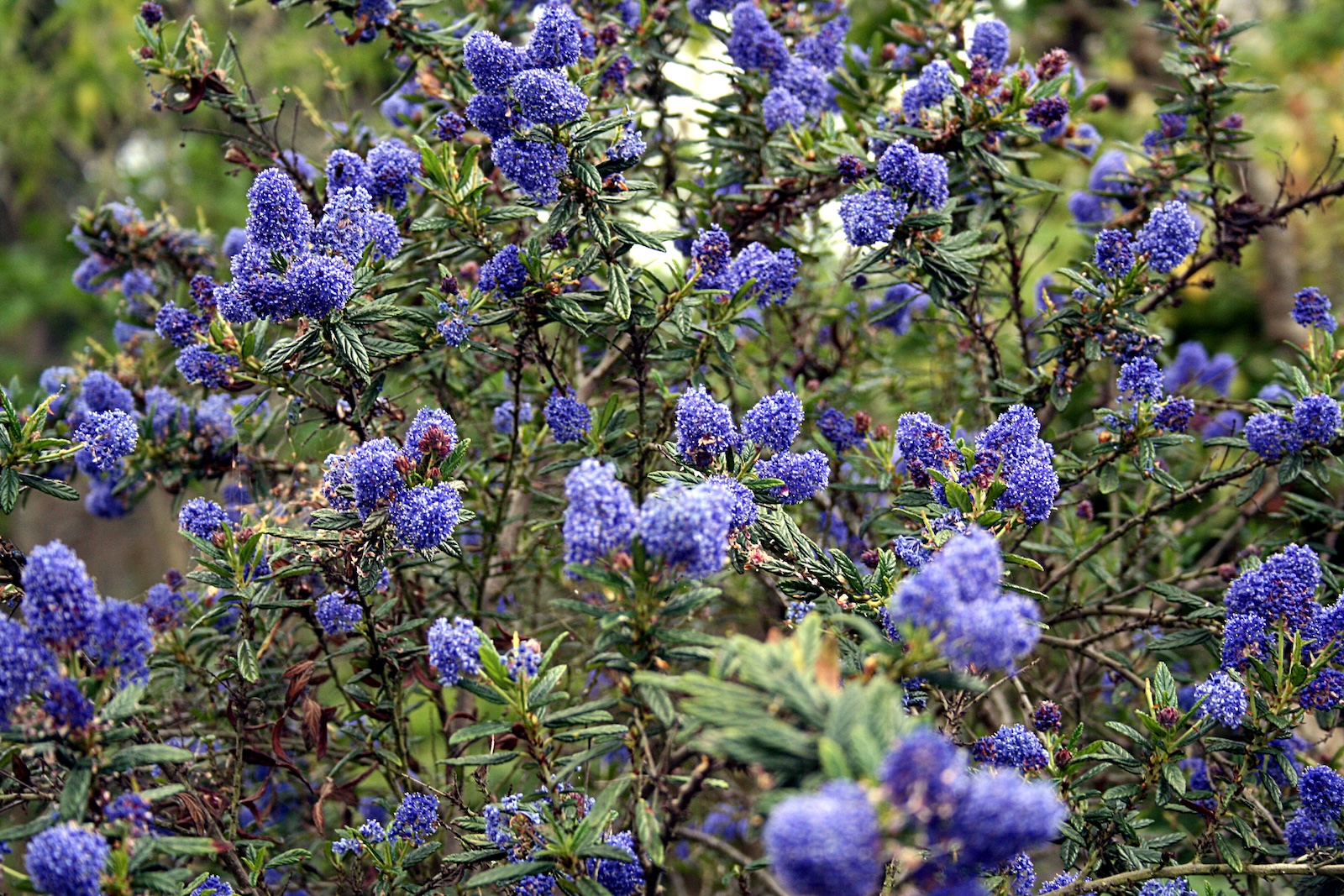
Native plants also offer vital habitat for native species. Native flowers, shrubs, trees and fruit feed and shelter countless species of pollinators, birds and butterflies that aren’t able to interact with non-native species in the same way.
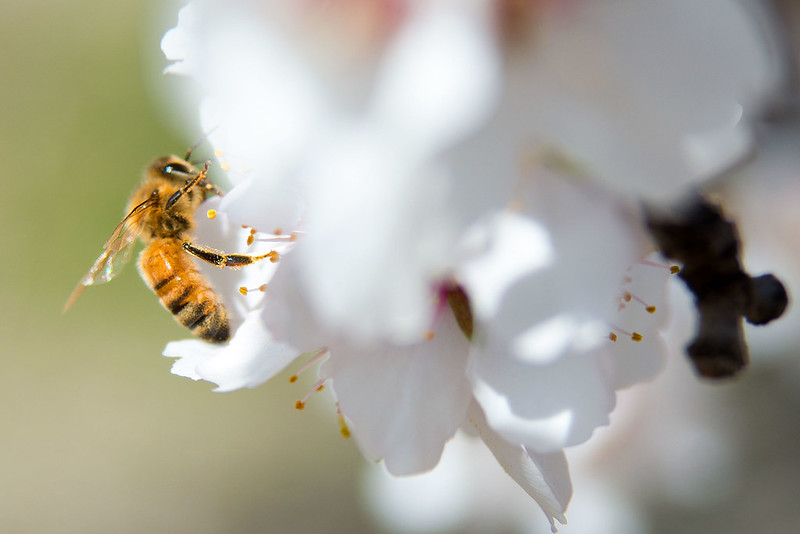
These native species, be they animal or plant, have lived, adapted and evolved alongside one another for countless millennia. For instance, California alone is home to around 1,600 species of native bees, and many of those bees rely on specific native flowers for nectar and pollen, flowers their species have been pollinating for millions of years.
Simply put, when you choose to plant native species in your yard or garden, you’re not just beautifying your yard. You’re also helping rebuild these ancient connections, and the food webs they support, all while lessening the environmental impact of your land in the process.
Before you start digging, spend a day (or maybe a weekend) getting to know your yard.
Some native plants love sun, some prefer shade, others prefer occasional light. Determine:
California soils can differ greatly depending on region, elevation and climate. Your yard could have anything from dry and fast-draining sand to heavy clay that holds water. Ask yourself:
Don’t take on too much at once. Instead:
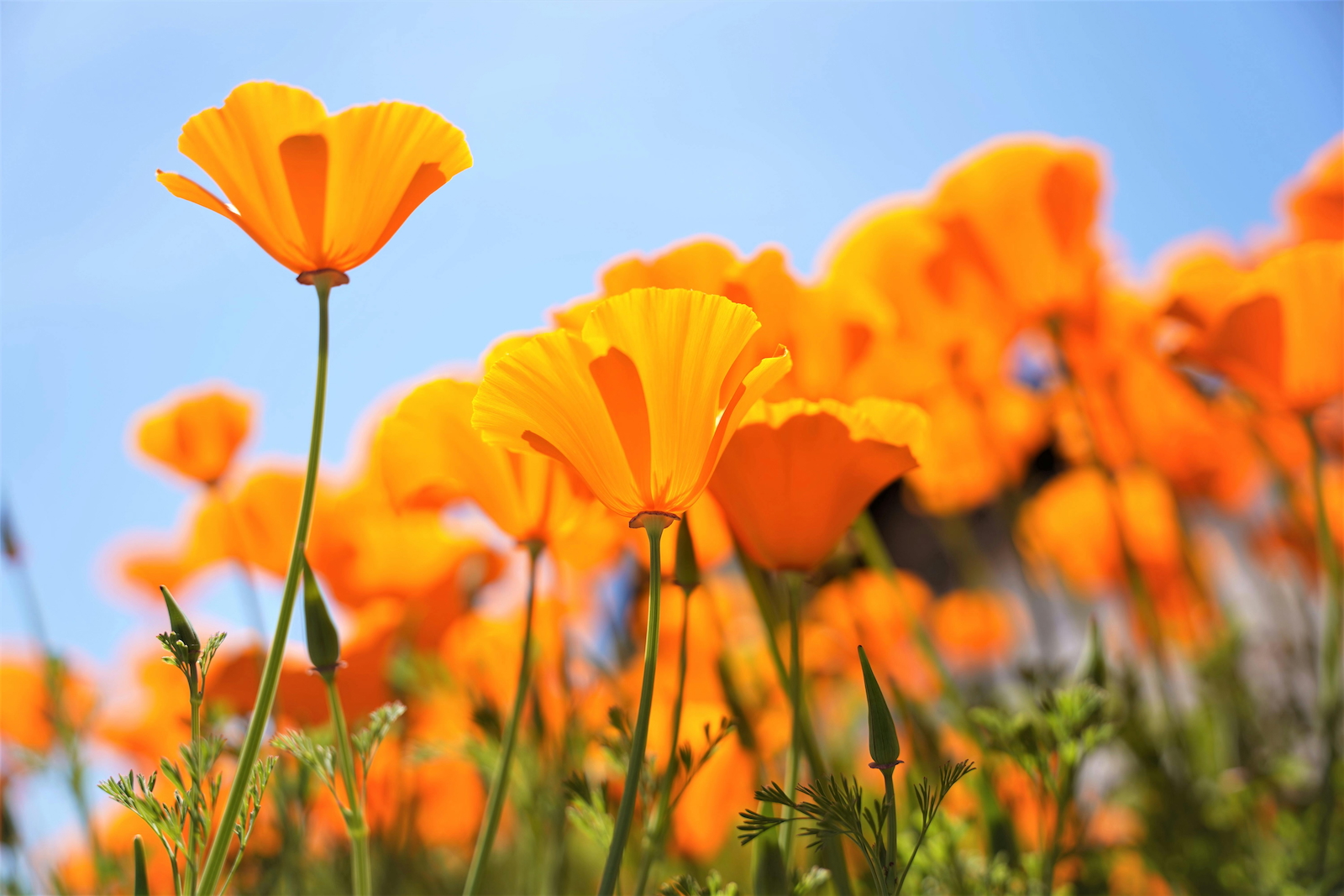
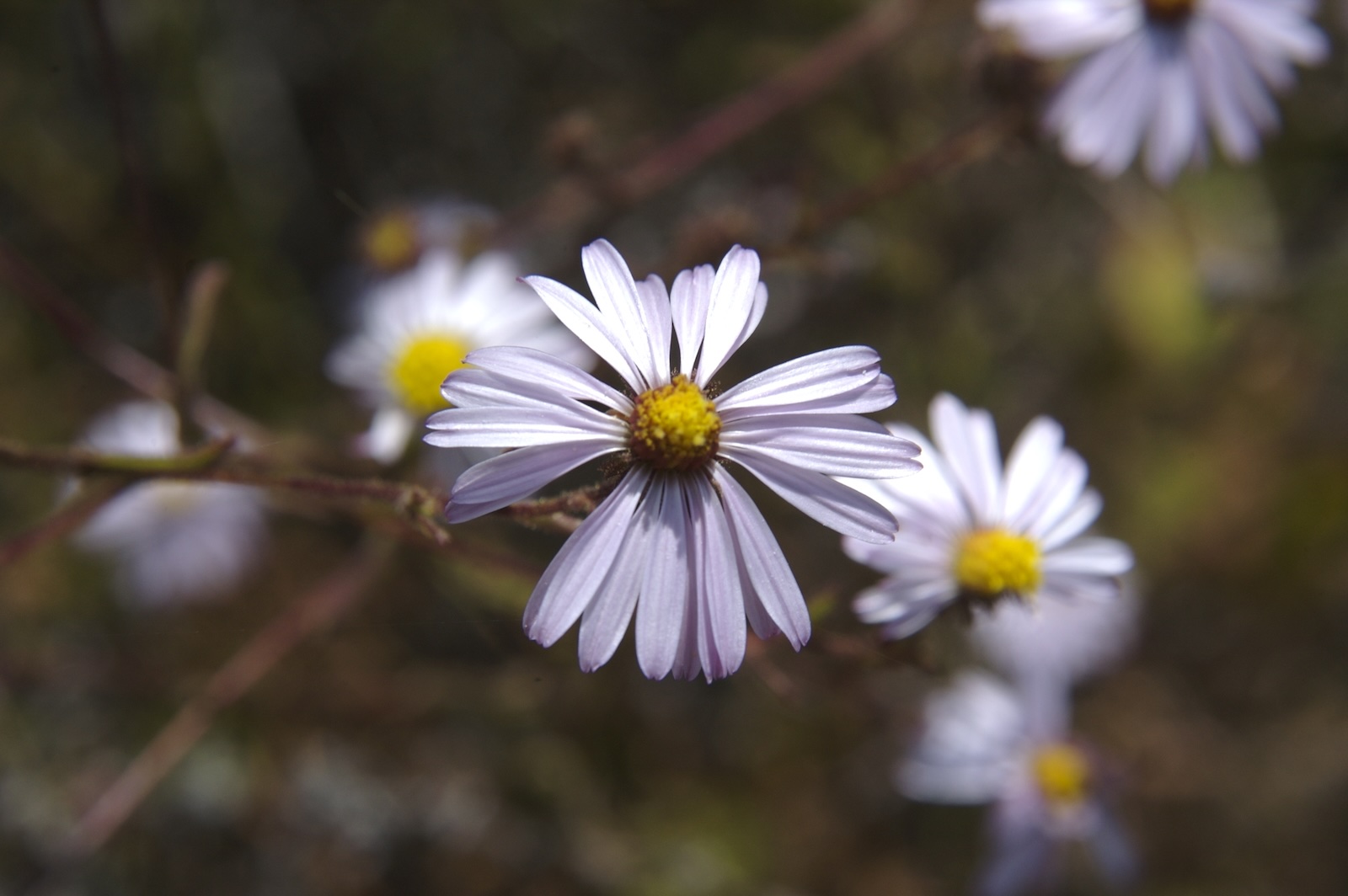
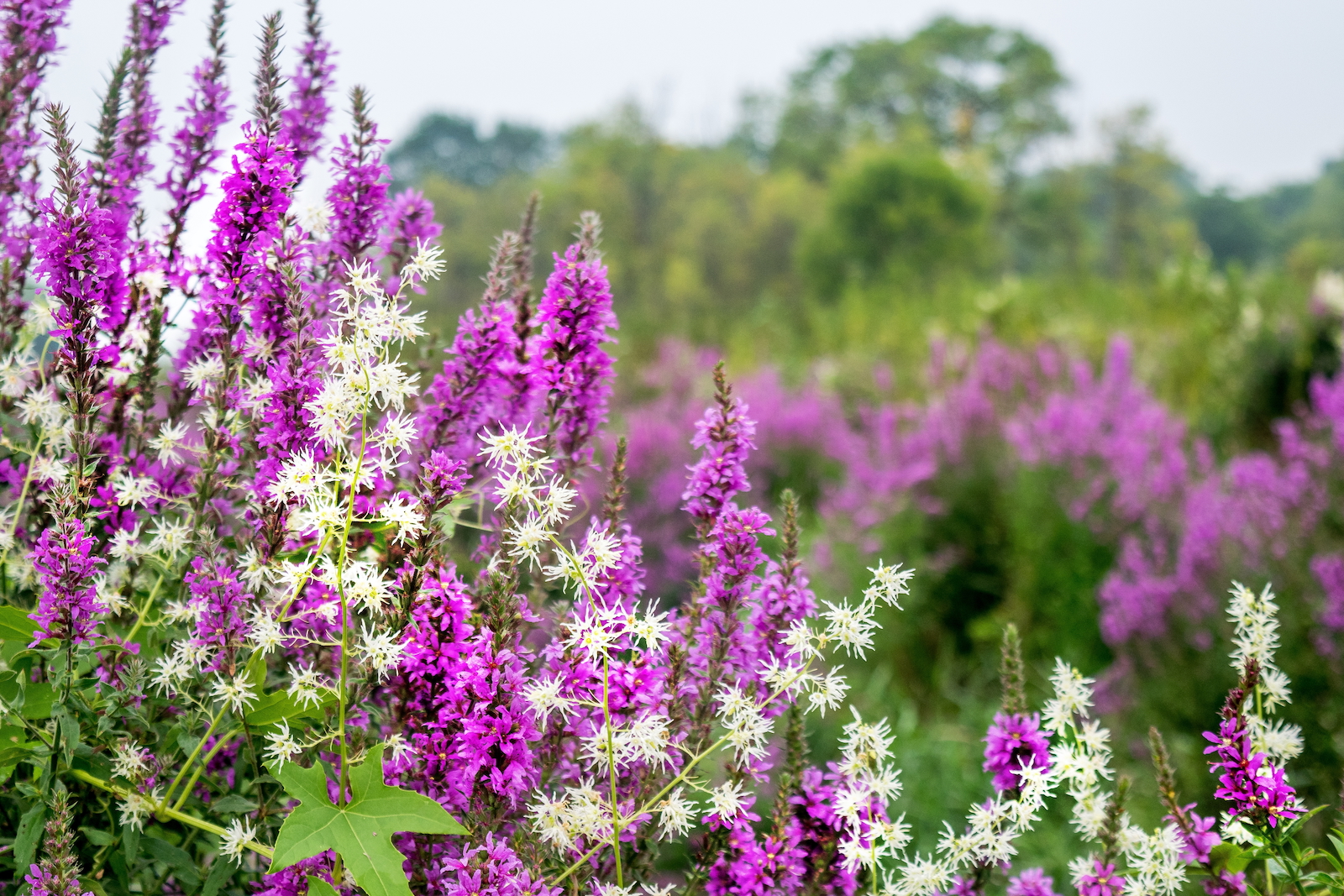
When it comes to replacing high-maintenance, imported flowers, native flowers and perennials are a great option. These plants pop with color, feed bees and butterflies and come back year after year (or reseed themselves so it feels like they do):
Shrubs offer structure, privacy and vital nesting cover for insects, birds and even small mammals. Shrubs and their flowers can also feed wildlife, especially in spring when many pollinators are emerging and need nectar.
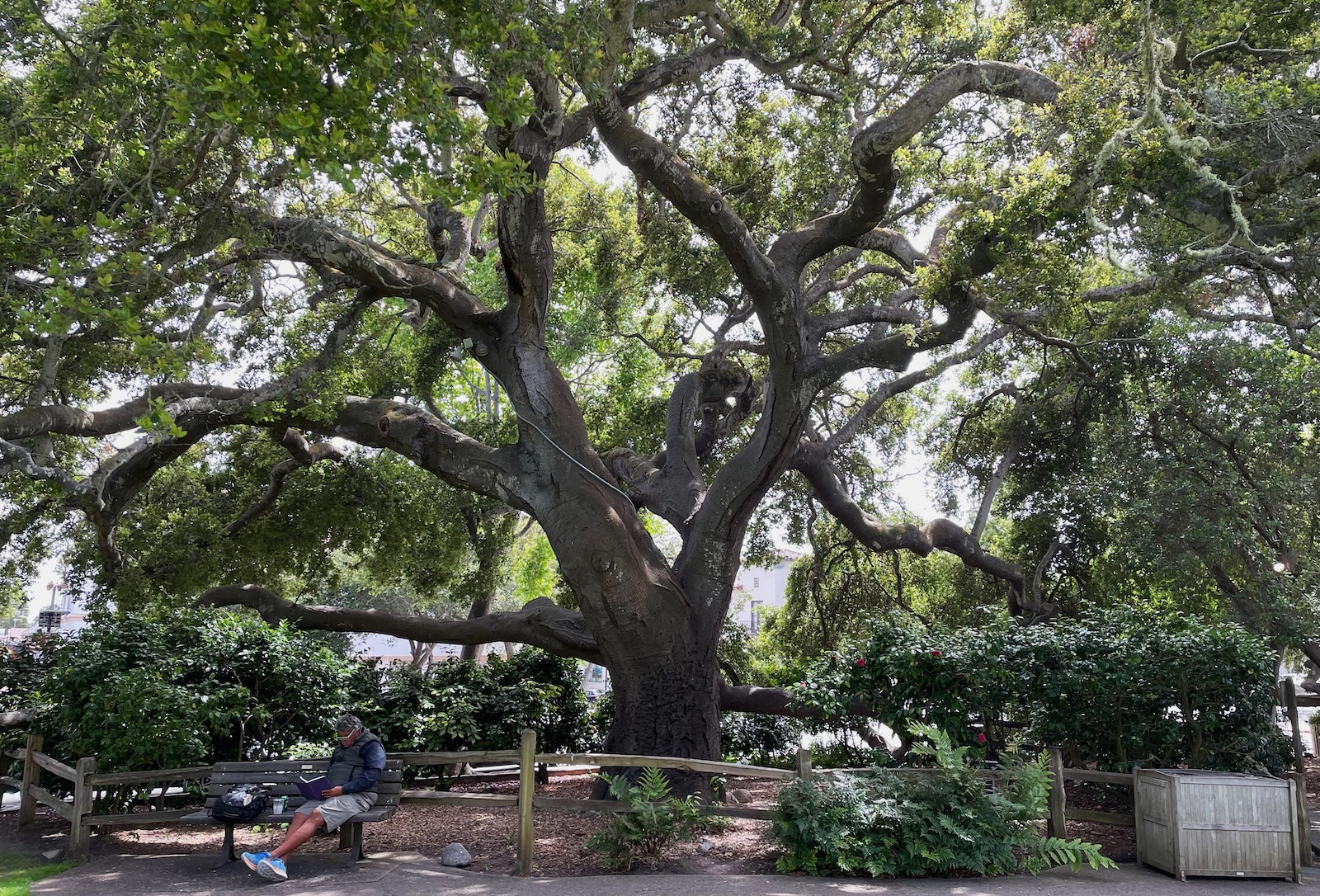
Trees may take a long time to grow, but they provide shade, cool your home and garden, capture carbon and can act as vital habitats for birds, insects, mammals and more. Just a single native tree can support countless creatures and life.
Native grasses can help frame a garden, create cover and give ground-nesting wildlife places to live. They’re also great at preventing erosion by increasing slope stability.

Planting native species in your own yard can provide food, shelter and nesting areas for countless California species. And planting native, nectar-rich flowers and blossoms can help supply pollinators with the nutrients and energy they need to complete their work.
But some native species need help on a bigger scale.
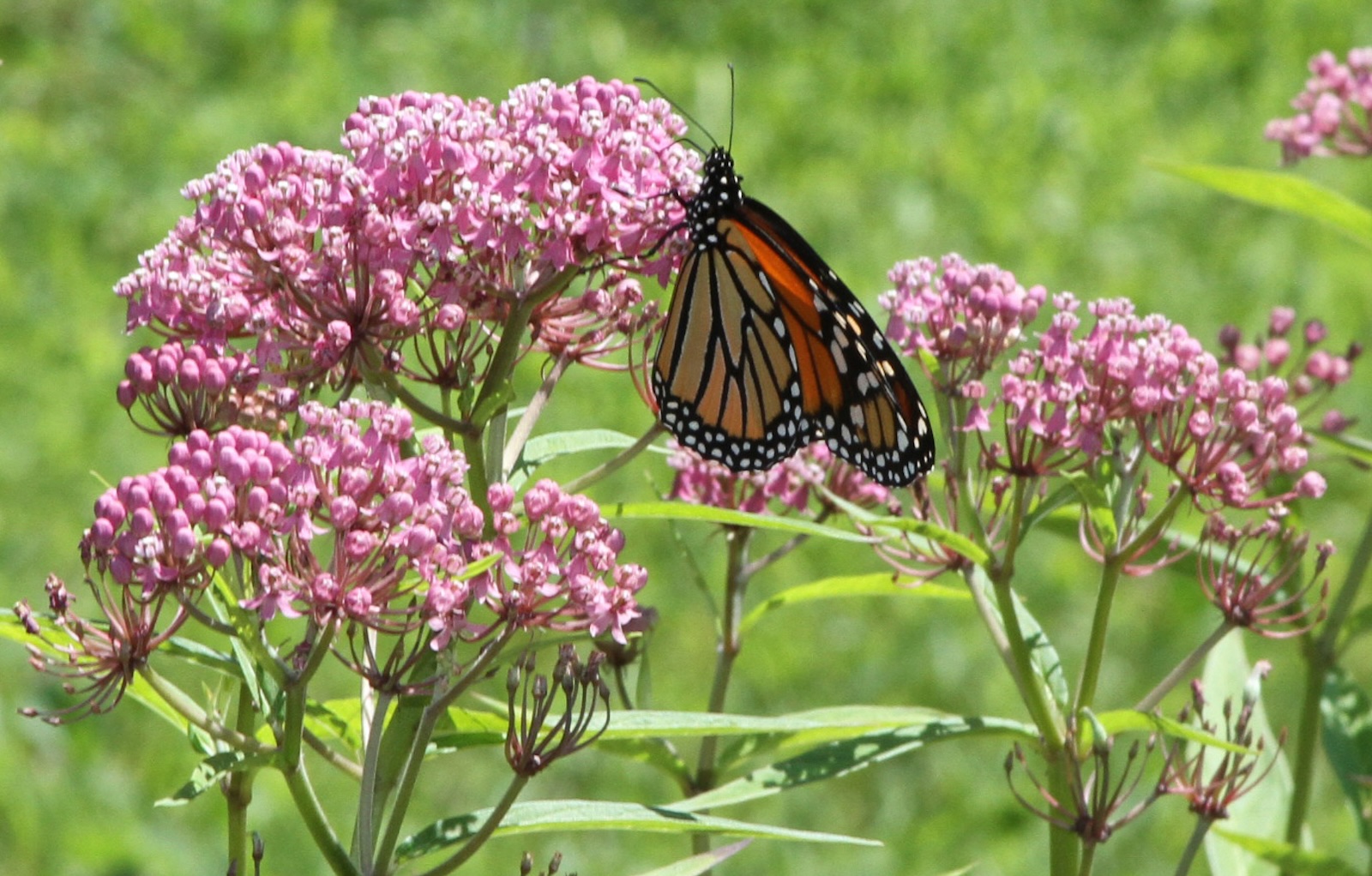
Milkweed is essential to the life cycle of the monarch butterfly. It’s where monarchs lay their eggs, and it’s the only plant monarch caterpillars eat.
But now both milkweed, and the monarchs they support, are undergoing steep declines. Today, scientists estimate we’ll need to plant billions more milkweed across the landscape to help monarchs recover.
By planting native milkweed on California’s public lands and unused green spaces, our state can help rebuild monarch habitat and give these iconic butterflies a chance to recover and thrive.
Add your name and tell Gov. Gavin Newsom to plant milkweed on public lands, green spaces and roadsides.
Take action: Tell Gov. Newsom to plant milkweed on public lands today.
If you’d like to learn more about how you can plant and foster milkweed in your yard or garden check out our article below.

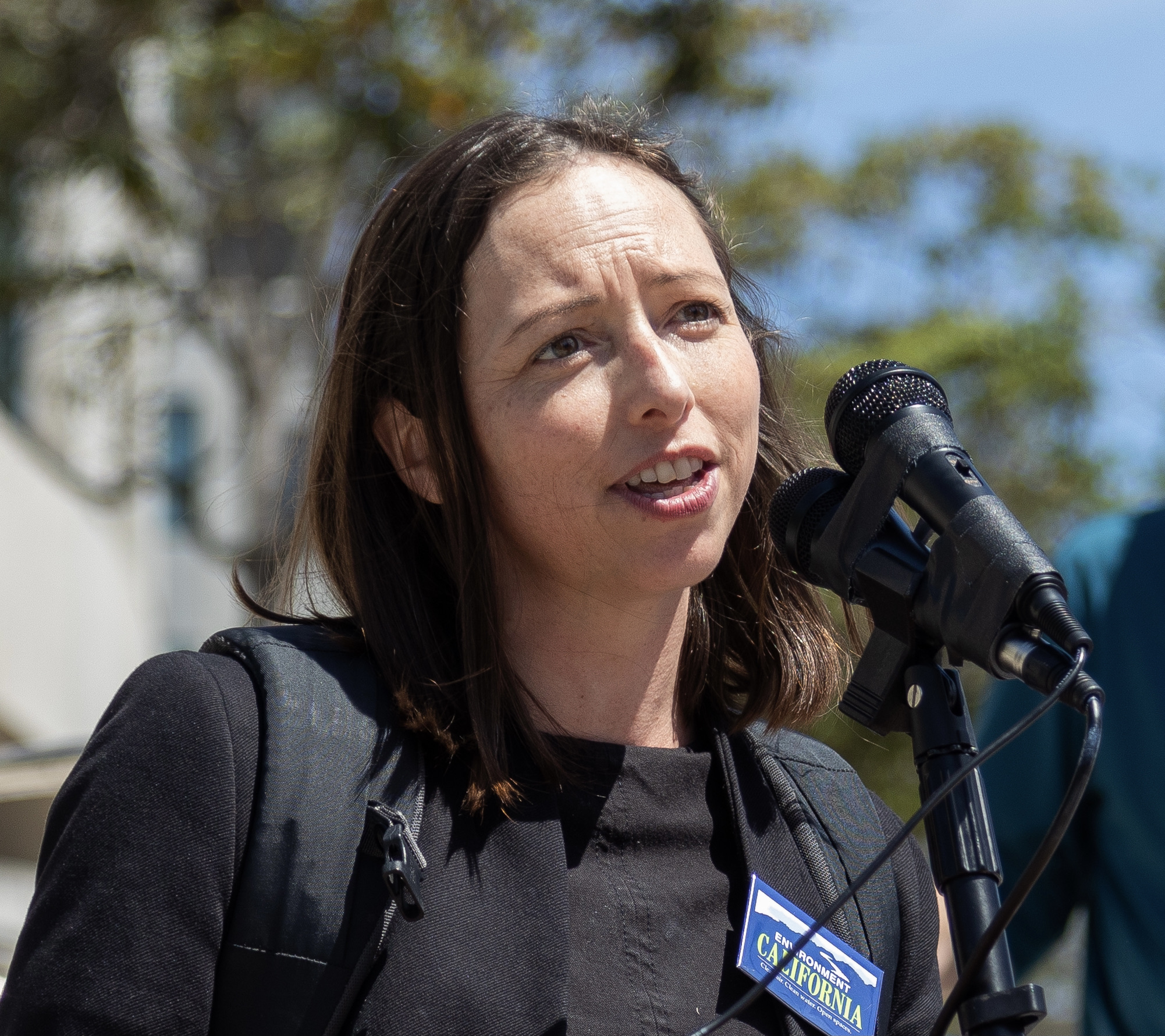
State Director, Environment California Research & Policy Center
Laura directs Environment California’s work to tackle global warming, protect the ocean, and stand up for clean air, clean water and open spaces. Laura served on the Environment California board for two years before stepping into the state director role. Most recently, she directed the public health program for CALPIRG, another organization in The Public Interest Network, where she led campaigns to get lead out of school drinking water and toxic chemicals out of cosmetics. Prior to that, Laura ran Environment California citizen outreach offices across the state and, as the Environment California field director, she led campaigns to get California to go solar, ban single use plastic grocery bags, and go 100 percent renewable. Laura lives with her family in Richmond, California, where she enjoys hiking, yoga and baking.