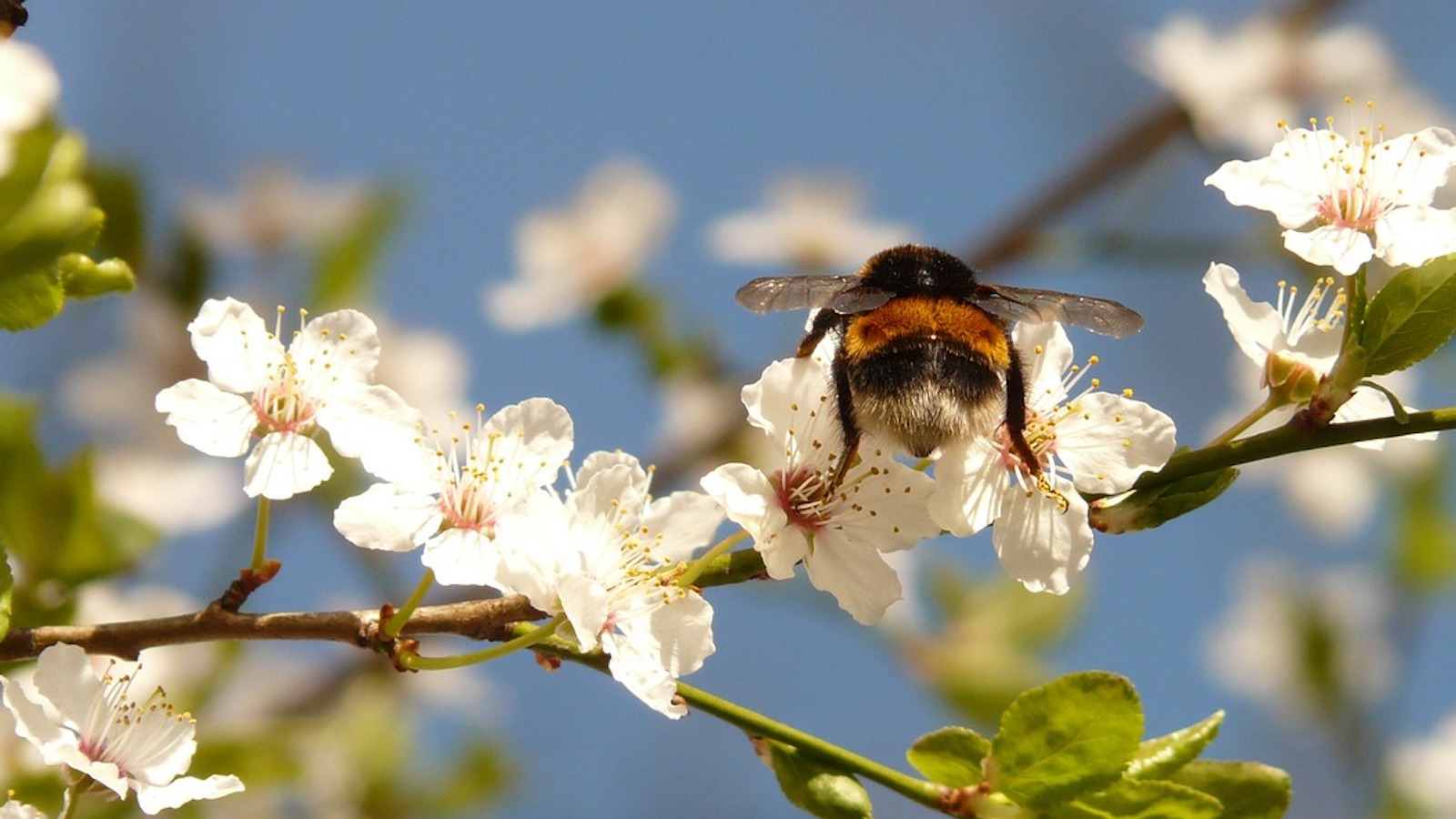
Tell Target: Stop selling bee-killing neonic pesticides
As a major retailer, Target can set an example in bee conservation by halting the sale of neonicotinoid pesticides.

A bee-killing pesticide is getting into American waterways, and that isn't good.
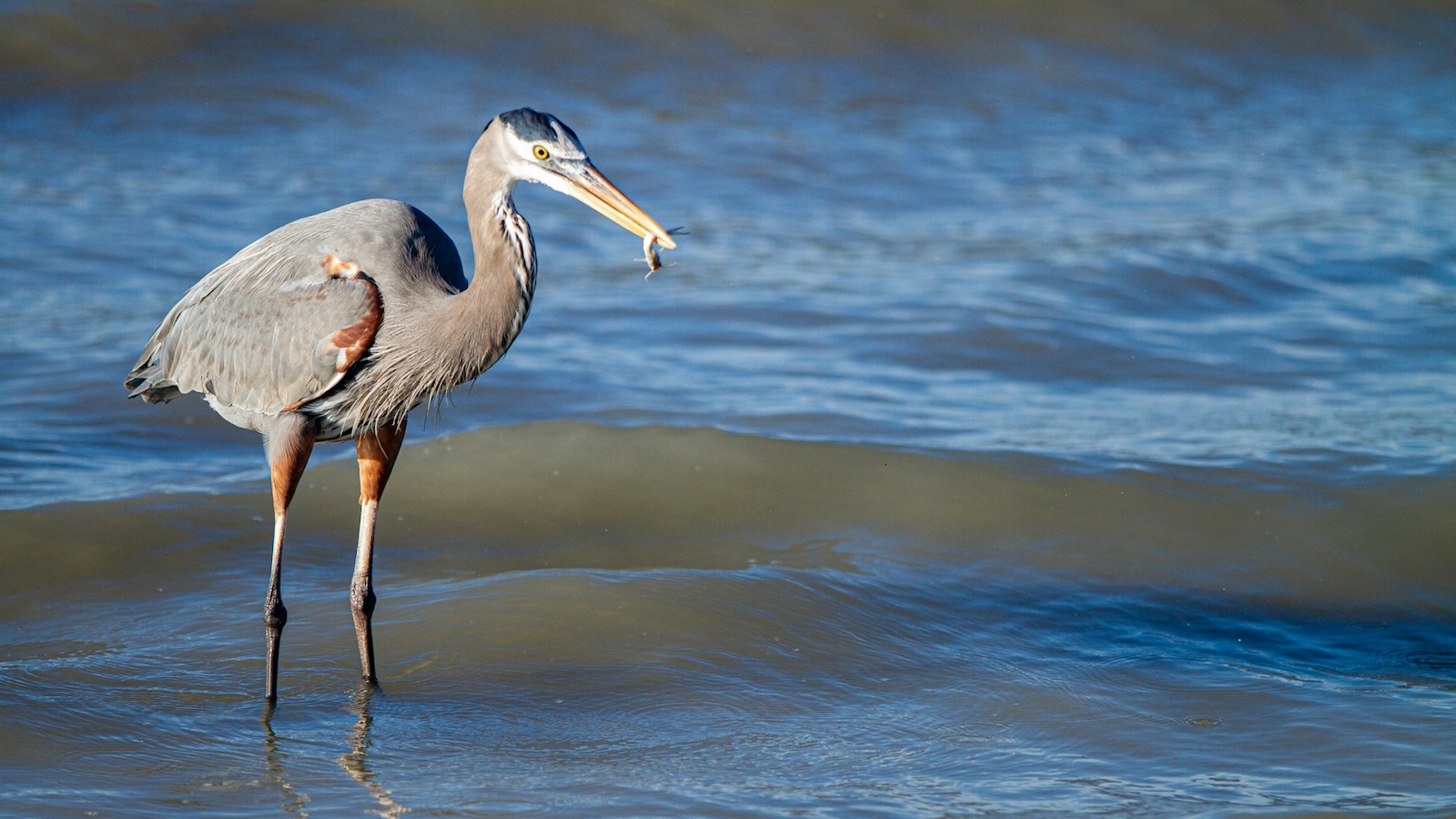
A new study examined imidacloprid contamination in U.S. waters. The study’s authors concluded that the insecticide, which is in the neonicotinoid class, is “extensive” and increasing in many locations. The data suggest “widespread persistent risks to ecosystem health.”
In short, a bug-killing pesticide has become prevalent and threatens the health of American waterways.
We’ve written extensively about “neonics” and its links to the decline of bees and butterflies. The authors of this study point to the risks of aquatic invertebrates. Here’s a fact that stood out: “The estimated total loading of imidacloprid delivered to the Gulf of America from 2013 to 2022 was…142.7 U.S. ton.”
Here’s more:
Data collected from 2013 to 2022 from 77 sites located across the United States indicated year round potential chronic exposure to imidacloprid for freshwater invertebrates, especially in watersheds draining agricultural and developed land. …Results presented in this study suggest that many medium to large watersheds contain potentially toxic levels of imidacloprid throughout the year, especially in the South and Midwest.
It’s more evidence that we need to move away from neonics, and pesticides in general.
As a major retailer, Target can set an example in bee conservation by halting the sale of neonicotinoid pesticides.





Energy Conservation & Efficiency