Hundreds of volunteers kick off a month of action to address plastic pellet pollution
The International Plastic Pellet Count officially kicked off on Saturday.

To spare birds, fish and other wildlife from the harm caused by plastic pollution, we’re raising our voices for a world with less single-use plastic products.
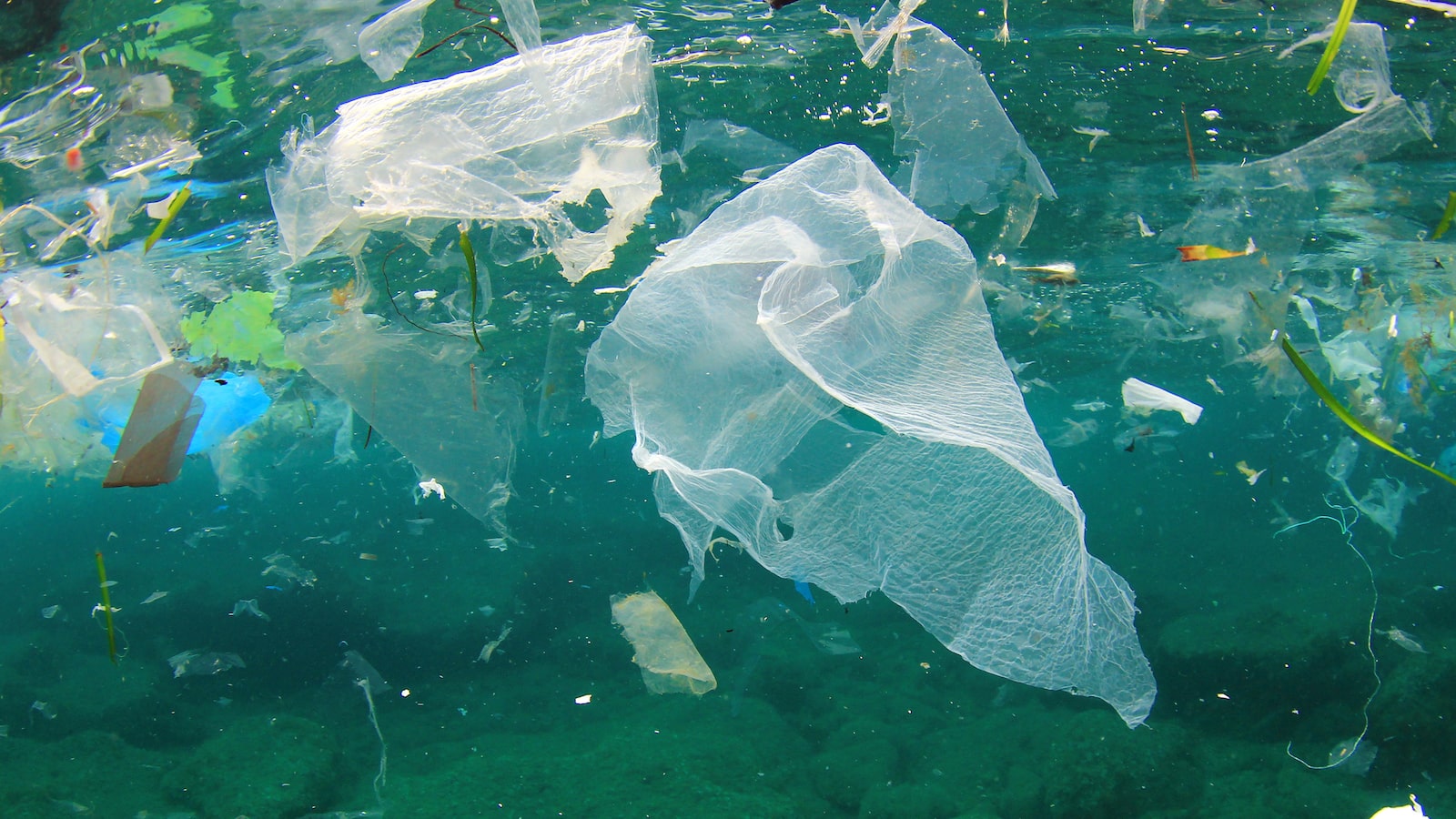
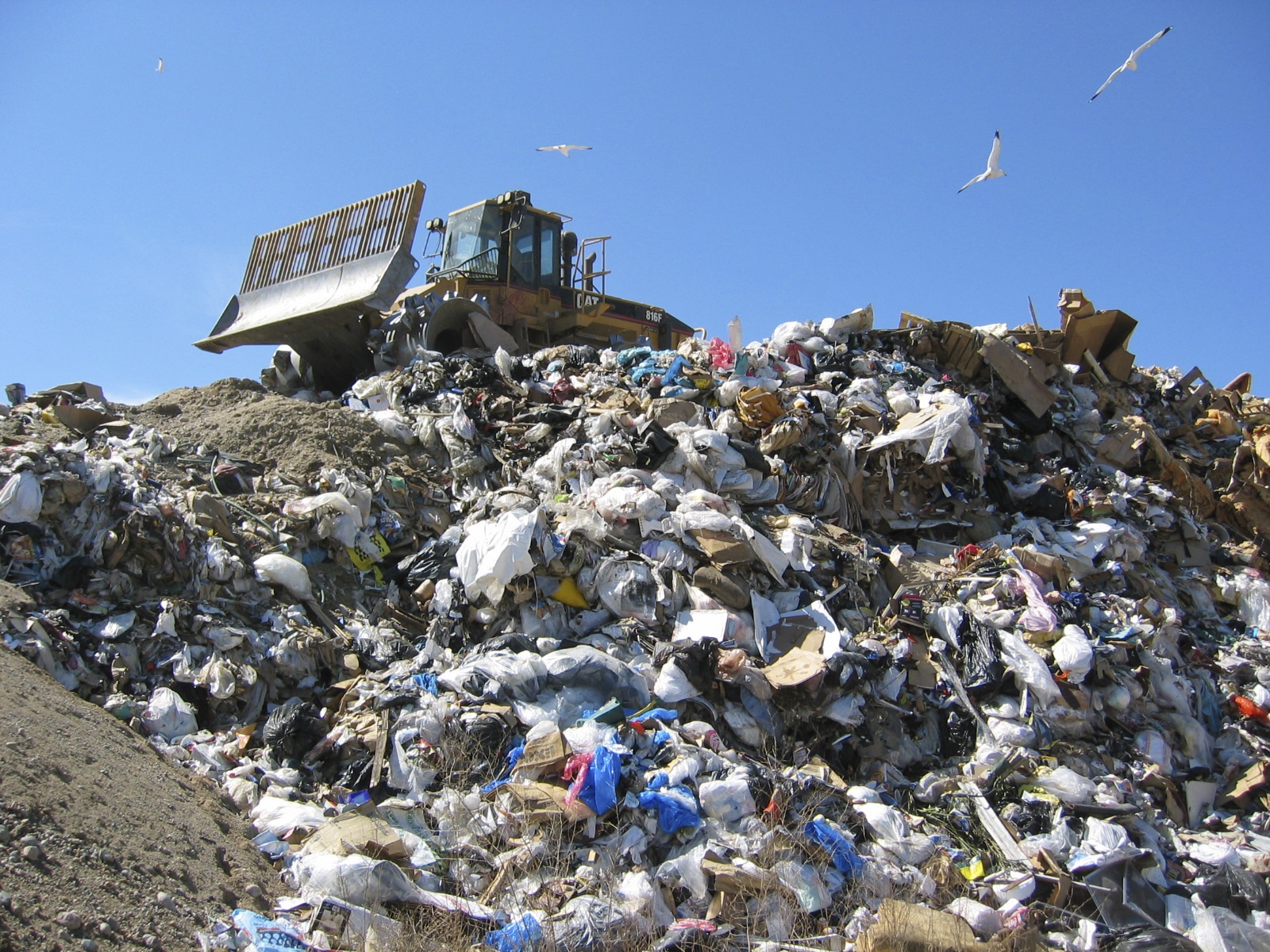
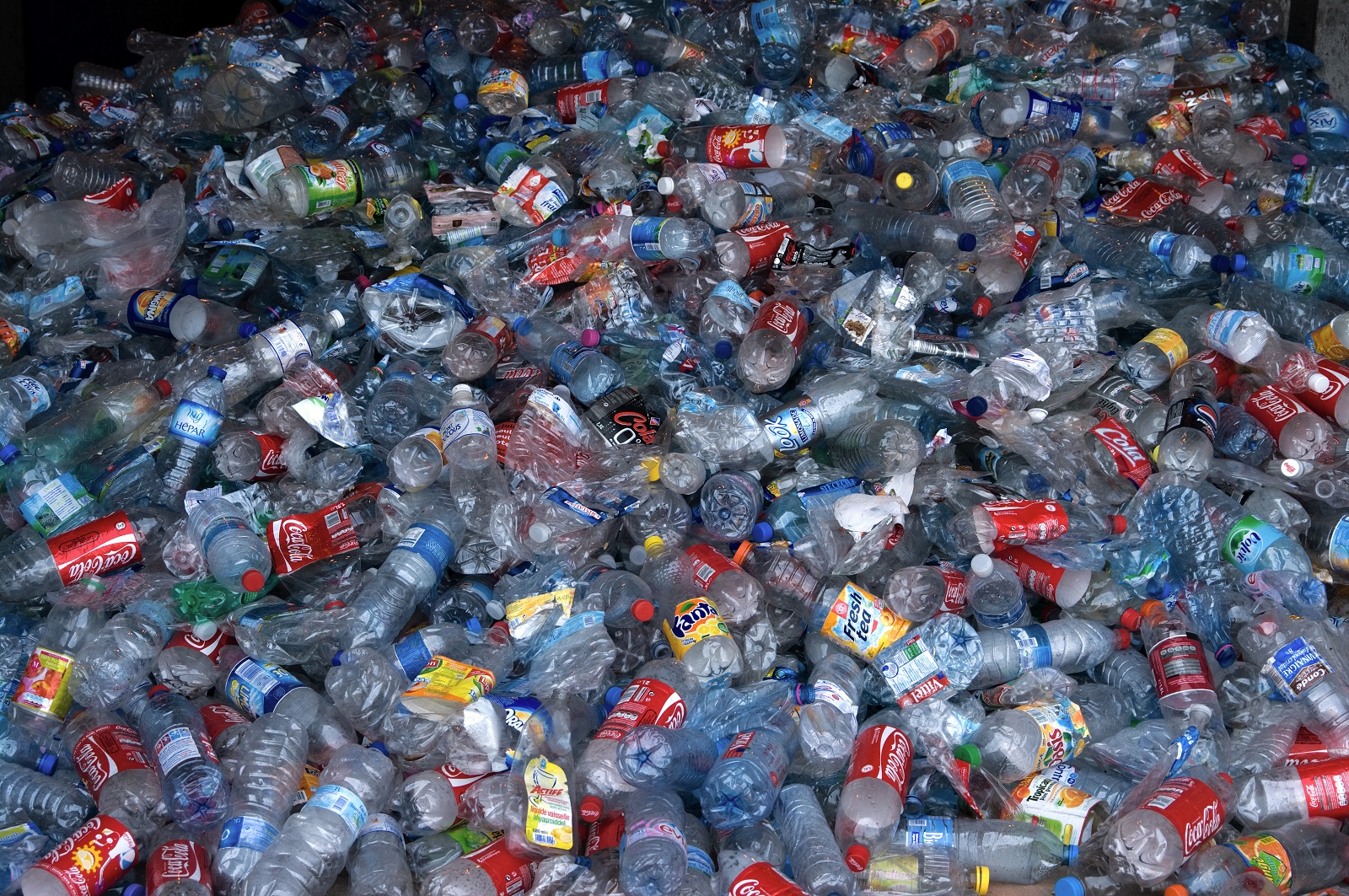
Maybe you’ve seen the video of a sea turtle with a plastic straw stuck in its nose, or the headlines about whales washing ashore with stomachs full of plastic. With so much plastic pollution floating in the ocean, it’s too easy for wildlife to mistake it for food — and too often, they pay the price with their lives. The good news is that more people, communities, states and companies are moving away from the single-use plastics we don’t even need. Because after all, nothing we use for a few minutes should pollute our environment and threaten wildlife for hundreds of years.
The International Plastic Pellet Count officially kicked off on Saturday.


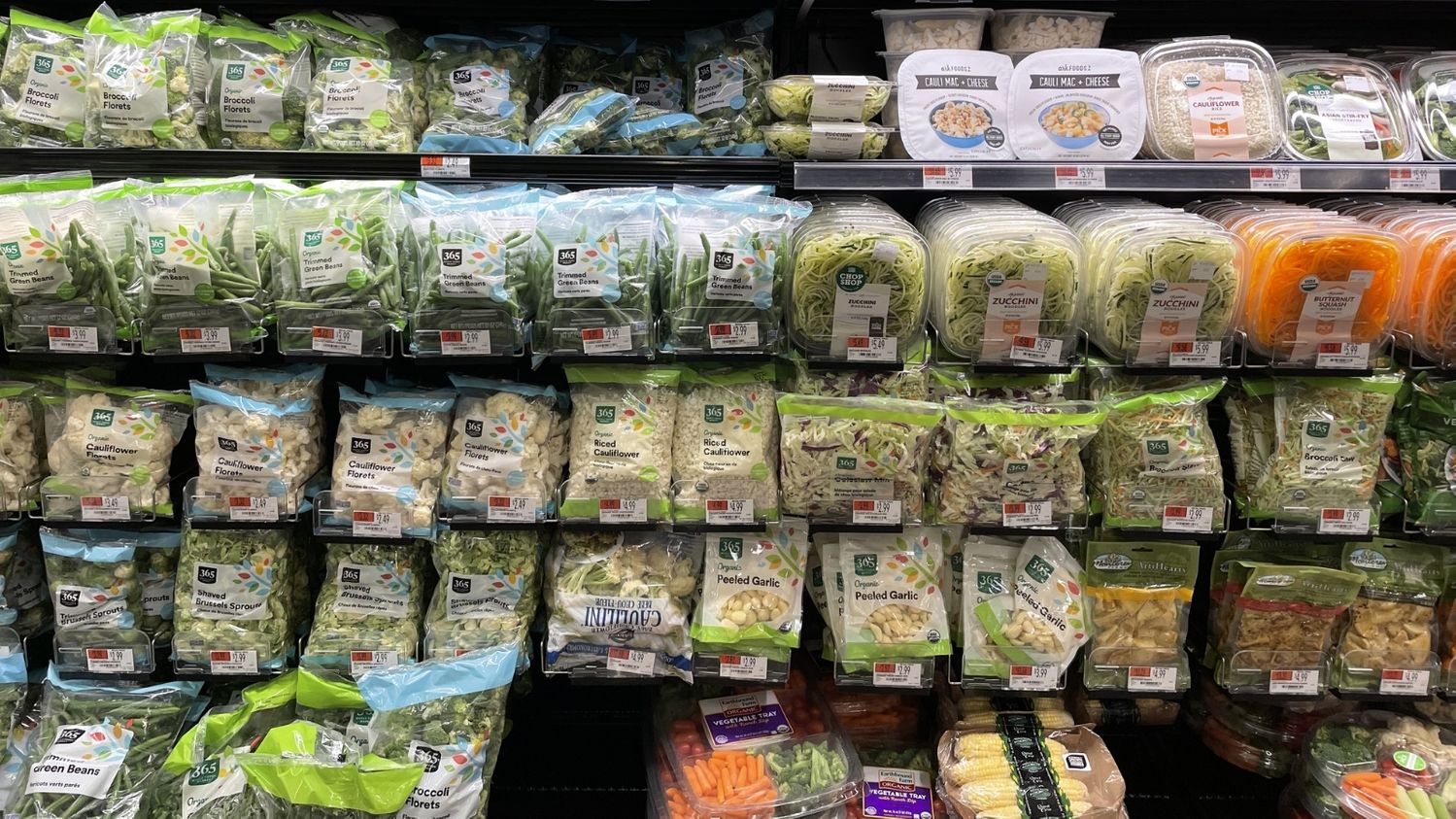

As proliferating plastic waste threatens our health and environment, the produce industry is covering the natural peels, skins and shells of fruits and vegetables with unnecessary single-use plastic packaging.

Plastic pellets are polluting our beaches and harming wildlife.

In May, Environment America Research & Policy Center, U.S. PIRG Education Fund and our partners organized the first International Plastic Pellet Count.

From Wisconsin to Copacabana 52,458 plastic pellets were collected from beaches, streams, and lake shores.

Hundreds of volunteers in 47 states and over 20 countries have signed up to search for plastic pellets at their local waterway as part of the International Plastic Pellet Count on Saturday, May 3rd. And it's not too late to sign up.