Tell Walmart to expand solar power
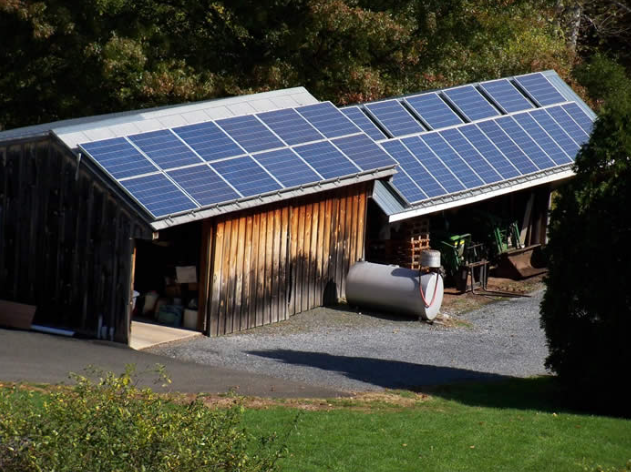
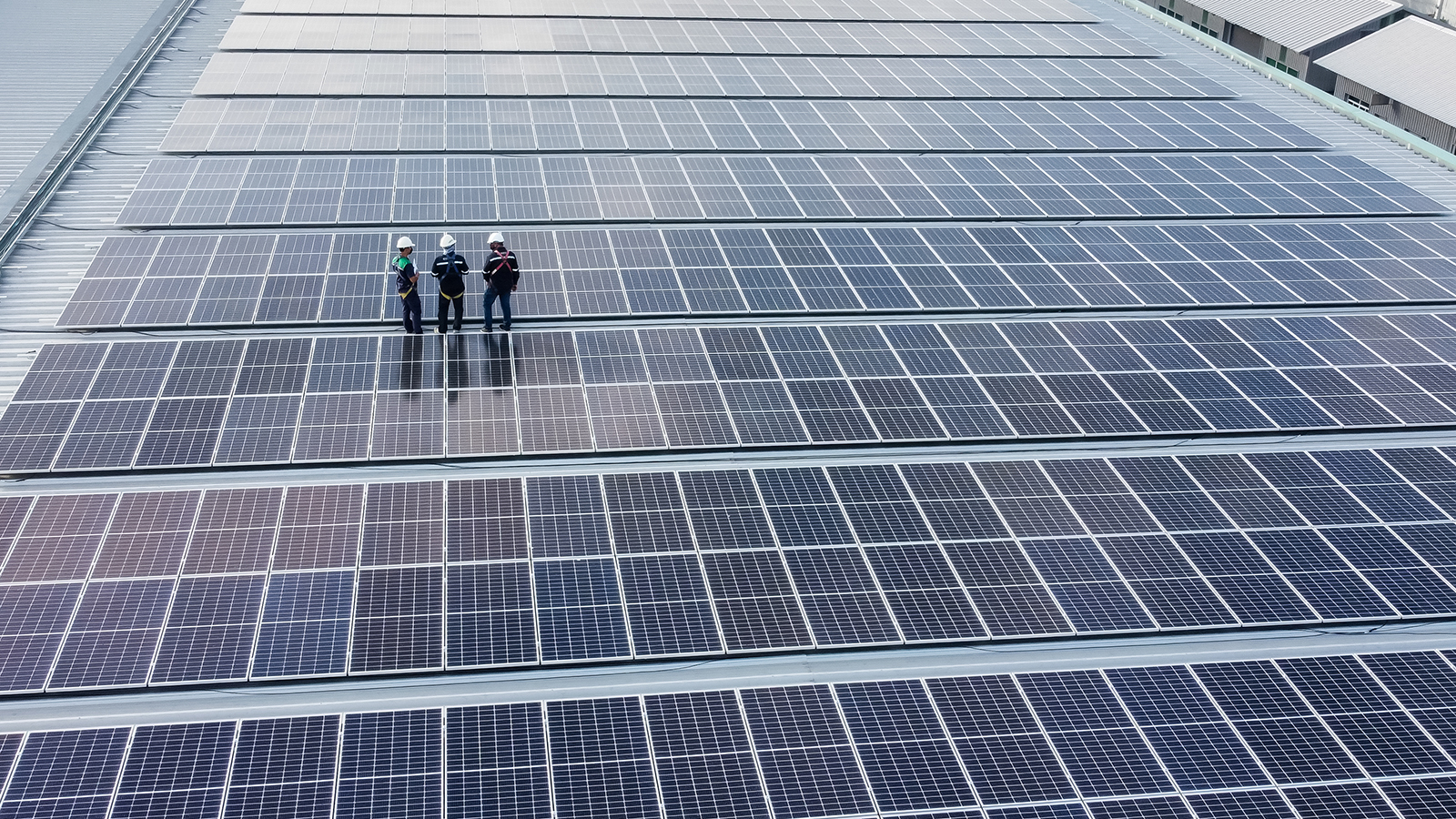
Walmart can go big on solar. Its flat, often-sunny rooftops are a great place to accelerate solar energy.

Columbia University researchers take on false claims about solar, wind, electric vehicles, and battery storage
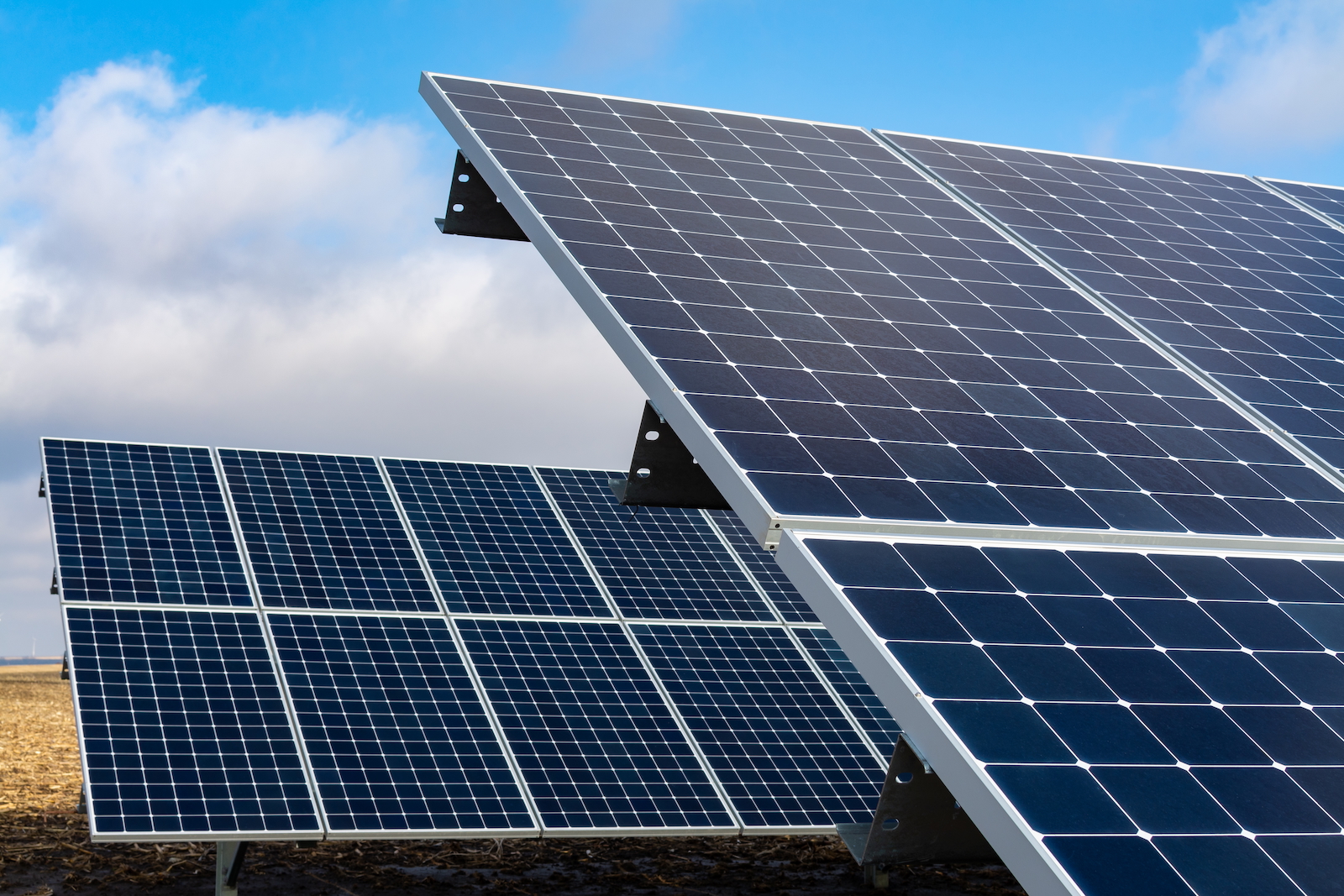
Despite the growth in renewable energy adoption, misinformation and disinformation about these technologies persist. That prompted the Sabin Center for Climate Change Law at Columbia University to release a report debunking 38 false claims about solar, wind, electric vehicles, and battery storage.
Notably for farmers and rural areas, this report highlights the multitude of ways in which solar energy will be beneficial to these communities. Agrivoltaics, for example, has been shown to enhance agricultural production and can increase the economic value of the average farm by over 30%. Additionally, farmland could be used more efficiently, as tens of millions of acres of farmland are currently being used to produce corn ethanol. Utility-scale solar produces approximately 31 times more energy than corn-ethanol crops.
The report continues to disprove notions that solar energy is harmful to the environment and biodiversity. Through careful implementation of solar development, negative impacts on biodiversity can be mitigated, and in some instances, can produce benefits to local biodiversity. Furthermore, there is a surplus of evidence showing that the lifecycle emissions of solar energy generation are far lower than fossil fuel generation.
“The positive environmental impacts of solar energy are invaluable,” said Johanna Neumann, Senior Director of the Campaign for 100% Renewable Energy at Environment America Research & Policy Center. “Investing in clean energy to improve public health and combat climate change is worth it.”
Walmart can go big on solar. Its flat, often-sunny rooftops are a great place to accelerate solar energy.





Energy Conservation & Efficiency