Tell your state legislators: Invest in wildlife crossings

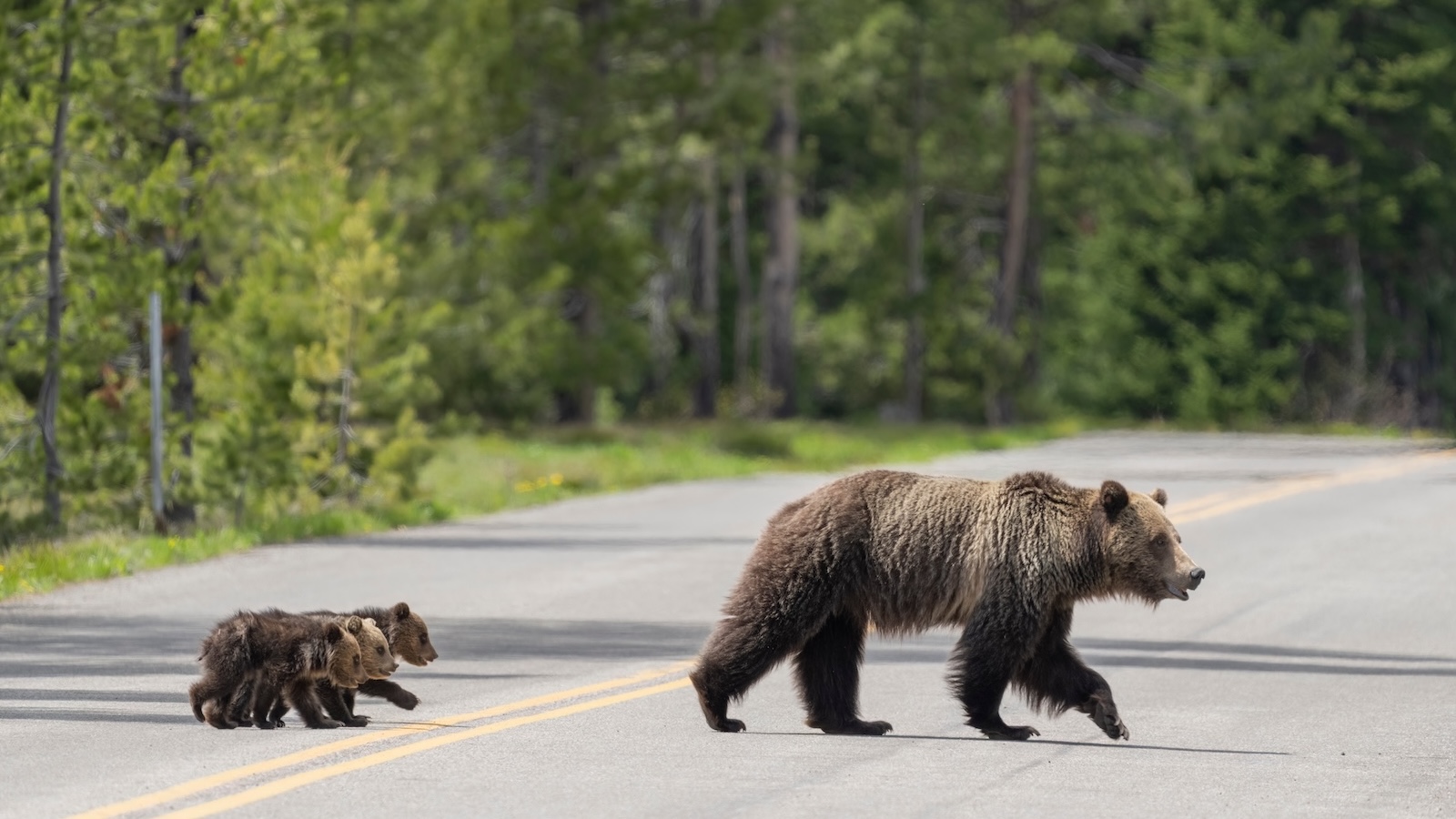
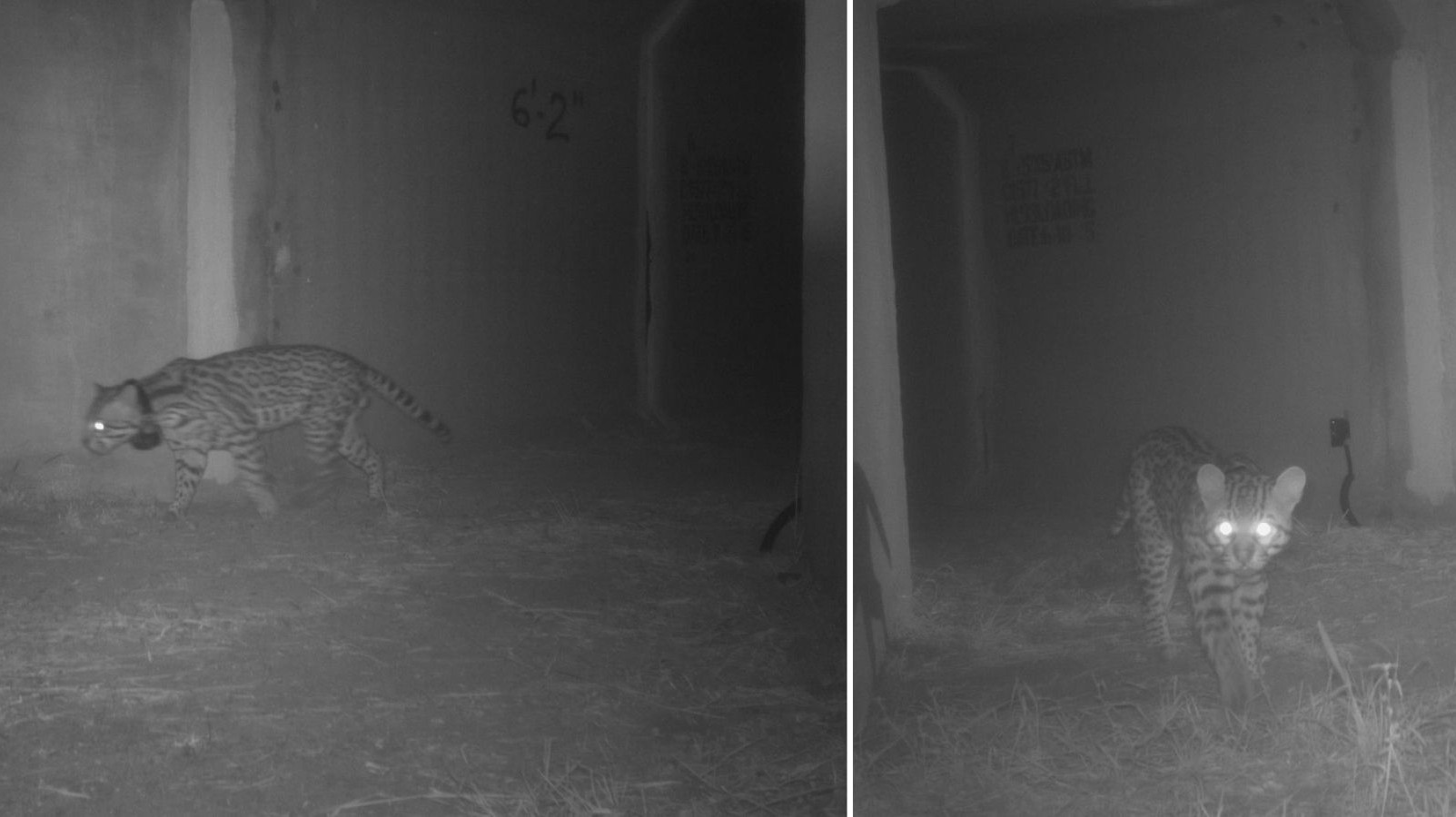
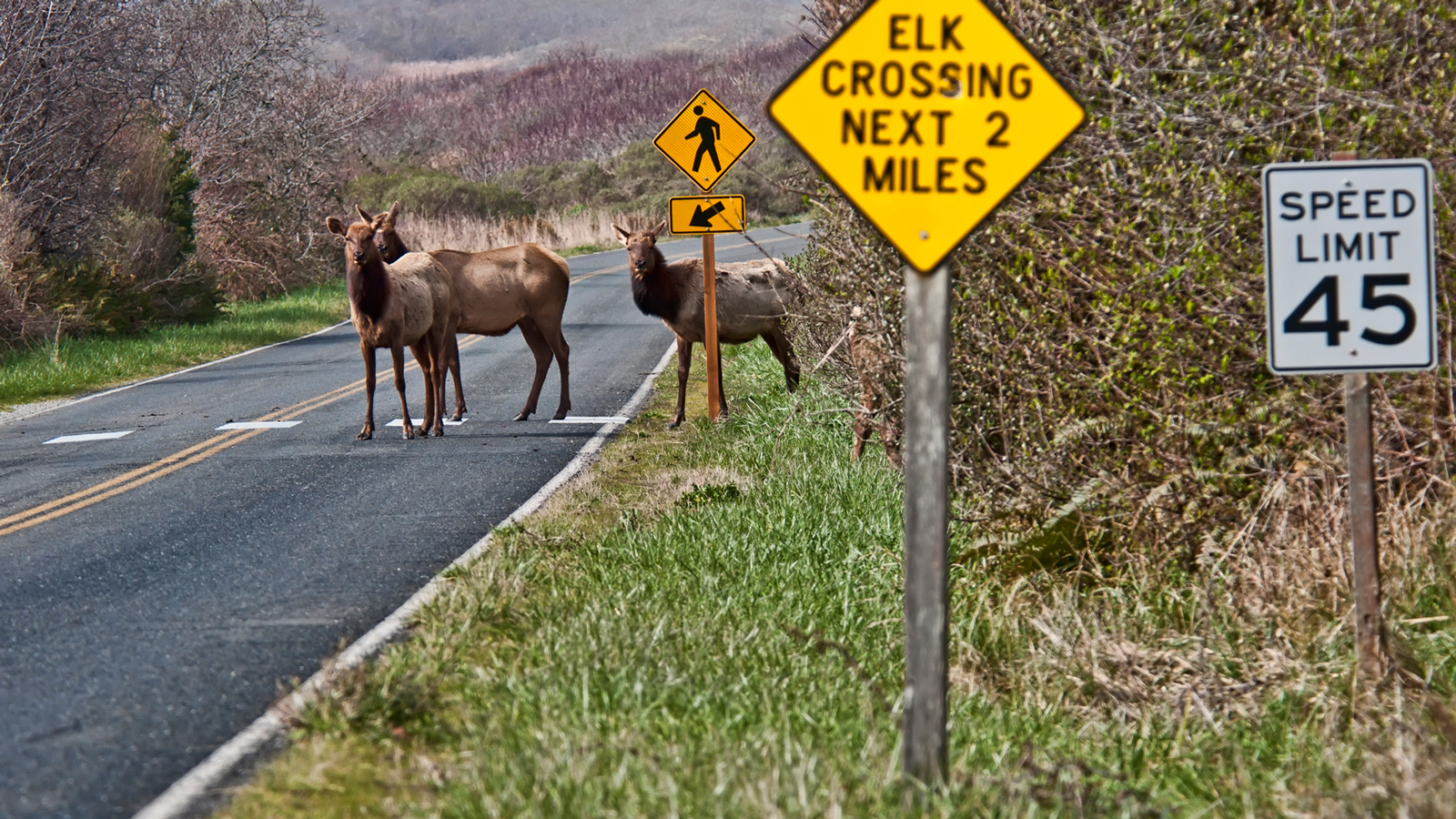
Elk, panthers, bears, turtles and all sorts of animals are killed on our roads every year. Wildlife crossings can give them safe passage.
Updated

We’ve all seen roadkill.
You may have even been unlucky enough to cause it, when a deer or other large animal jumped into the path of your vehicle.
If you have, you’re not the only one.
In the U.S., about 1-2 million wildlife-vehicle collisions with large animals occur every year. On average, these crashes result in 26,000 human injuries, 200 human deaths and nearly $8 billion in property damage each year.
That’s not even considering the damage to wildlife, species and ecosystems. A report to Congress found that more than 360 million vertebrate animals, big and small, are killed by vehicles in the U.S. annually.
The brutal scenes that litter our roads are the most dramatic and obvious consequence of carving up wildlife habitats with roads and highways. But habitat fragmentation also reduces the space that animals have to graze, hunt, mate and migrate, resulting in even greater harm to wildlife.
From mountain lions to turtles, elk to black bears, animals face a lose-lose decision: Cross a busy, dangerous road, maybe even at the cost of your life, or get penned into an ever-shrinking habitat that may not have the resources needed for your long-term survival.
One example of this lose-lose situation is P-22 — a beloved Los Angeles mountain lion whose death is still fresh in residents’ minds.
This adventurous cat quickly won the city’s heart by somehow crossing multiple busy Los Angeles freeways before settling into Griffith Park. P-22’s territory was the smallest ever-recorded for an adult male mountain lion, yet he lived there for nearly 10 years. Due to the maze of roads surrounding his habitat, P-22 never found his sought-after mate, and tragically, in 2023, he was struck by a vehicle and euthanized due to his injuries.
The story of P22 is captivating, and the details are unique, but the larger story of animals needing to cross busy roads is quite common.

These vehicle-wildlife collisions are set against the troubling backdrop of rapidly declining wildlife populations.
Researchers at the World Wildlife Fund and the Zoological Society of London conducted a long-term study of 5,495 mammals, reptiles, amphibians and bird populations in North America.
What they found was staggering: a roughly 39% decline in North American animal populations between 1970 and 2020.
Moreover, state wildlife agencies have identified more than 12,000 North American species in need of additional conservation efforts to prevent them from sliding toward extinction.
Vehicle-collisions are far from the sole driver of this decline, but they certainly aren’t helping. Nor is habitat fragmentation. Yet there’s a proven and effective solution that can stop these collisions and unnecessary deaths while reconnecting nature.
Wildlife bridges allow animals to cross over busy roads, while tunnels and culverts provide a path under them, preventing many vehicle-wildlife collisions. When paired with fencing and other infrastructure, these crossings can allow animals to get across our roads in designated, safe locations.
How effective are these wildlife crossings? And do animals really end up using them?
With more than 1,000 wildlife crossings now operational in the U.S., we are starting to get data that can answer these very questions.
So far, the results are promising. When placed in areas of known wildlife movement and paired with additional elements like fencing, crossings have reduced wildlife-vehicle collisions by up to 97%.
For instance:



One major drawback to the construction of these crossings is the initial cost. Given the size of this infrastructure, states and communities may be wary of the price tag.
However, one Washington State University study determined that each overpass saved between $235,000 and $443,000 per year as they reduced collisions, property damage, medical bills and costs from loss of life.
So while the initial investment may be steep, some crossings effectively pay for themselves over time.
In 2021, Congress passed the Bipartisan Infrastructure Law, which included $350 million for the Wildlife Crossings Pilot Program. That money is dispersed by the U.S. Department of Transportation in a grants program that is applied to by each state seeking funds for the construction of wildlife corridors and crossings
In the last fiscal year, projects in Alaska, Arizona, Florida, Georgia, Idaho, Massachusetts, Maryland, Maine, Michigan, Missouri, Montana, New Mexico, North Carolina, Nevada, New York and Oregon all received funding. Here’s the full list of the states that have applied and which projects were funded.
Meanwhile states are chipping in with their own funds. State funding can complement federal funds or, in some cases, enable a state to fly solo on a project, if needed.
Wildlife crossings are an important, effective and proven tool to reduce collisions, keep animal populations intact and save lives, be they human or otherwise.
By building more crossings we’ll save money, see less roadkill, reconnect habitats and ensure that fewer drivers will be hospitalized from collisions. The current pot of funding expires at the end of September 2026, but it doesn’t have to be that way.
There are three bipartisan bills in Congress to renew the Wildlife Crossing Program. With bill sponsors hailing from both parties and representing Maryland, New Mexico, North Dakota, Oregon, Utah and Virginia, you can tell that this is a popular program across the U.S. But while popular is a good starting place, there’s no guarantee that Congress will get this across the finish line. Join us in calling on lawmakers to support wildlife crossings.
If we come together around this commonsense issue, we can keep building wildlife crossings for all the creatures that need room to roam.
Wildlife crossings are overpasses and underpasses that help wildlife cross the road safely, and they are an incredible aid to wildlife and humans alike.
Senior Director, Conservation America Campaign, Environment America Research & Policy Center
Started on staff: 1991 B.A., Wartburg College Steve directs Environment America’s efforts to protect our public lands and waters and the species that depend on them. He led our successful campaign to win full and permanent funding for our nation’s best conservation and recreation program, the Land and Water Conservation Fund. He previously oversaw U.S. PIRG’s public health campaigns. Steve lives in Sacramento, California, with his family, where he enjoys biking and exploring Northern California.
Director, Wildlife Campaigns, Environment America Research & Policy Center
As the Wildlife Campaigns Director for Environment America, Andrew’s primary focus is to make sure that our country invests in and builds wildlife crossings and wildlife corridors. By building bridges and underpasses, and by conserving land along the migration routes, we can make sure that animals have room to roam. In addition, Andrew works to better fund state wildlife agencies, and to ensure the Endangered Species Act stays strong. Andrew lives in Denver with his wife and daughter. In his free time you may find Andrew attending sporting events, birding or on the trail exploring the Rocky Mountains.