Tell the EPA: Protect the air we breathe

When we use less gas, it benefits our environment and our health in addition to delivering financial savings. Here are some tips for using less gas.

When we use less gasoline, it benefits our environment and our health, in addition to reducing how much we spend at the pump. Here are 10 tips for using less gas.
According to the U.S. Department of Energy, under-inflated tires can reduce fuel economy by roughly 0.2% for every one PSI drop in the average pressure of all four tires. So, now is a good time to make sure your car’s tires are properly inflated. To find the precise safe pressure for your car’s tires, check the sticker inside the driver’s side door jamb or the owner’s manual. Most gas stations have air terminals where you can check your tire pressure and inflate your tires to the recommended pressure.

The tires that come on new vehicles are often energy-efficient, because efficient tires is one of the easiest steps car manufacturers can take to meet the fuel economy standards set for them by regulators.
But, when it’s time to replace tires, consumers often default to buying the tires that are most readily available at the lowest up front cost. That can be misleading. While efficient tires often cost slightly more than less efficient alternatives, the up-front investment pays for themselves many times over.
According to Consumer Reports, the incremental cost of choosing a set of replacement tires that matches the efficiency of tires typically placed on a new vehicle is about $26. Testing in California found that drivers of gasoline powered vehicles with more efficient tires saved $184 in gasoline costs over the lifetime of a set of tires – a 6 to 7x return on investment for purchasing the more efficient tires.
So, rather than getting the cheapest tire, getting one that delivers the highest value over the life of the product will better serve consumers in the long run.
Aggressive driving – which includes speeding, accelerating and braking abruptly – not only contributes to accidents but also wastes gas. According to the U.S. Department of Energy, driving aggressively can lower gas mileage by roughly 15% to 30% at highway speeds and 10% to 40% in stop-and-go traffic. Switching from aggressive driving to gentler sensible driving can translate to $0.38–$1.53/gallon in fuel savings. On highways, using cruise control and setting it at the speed limit or even a little bit below can help reduce aggressive driving habits and save fuel.
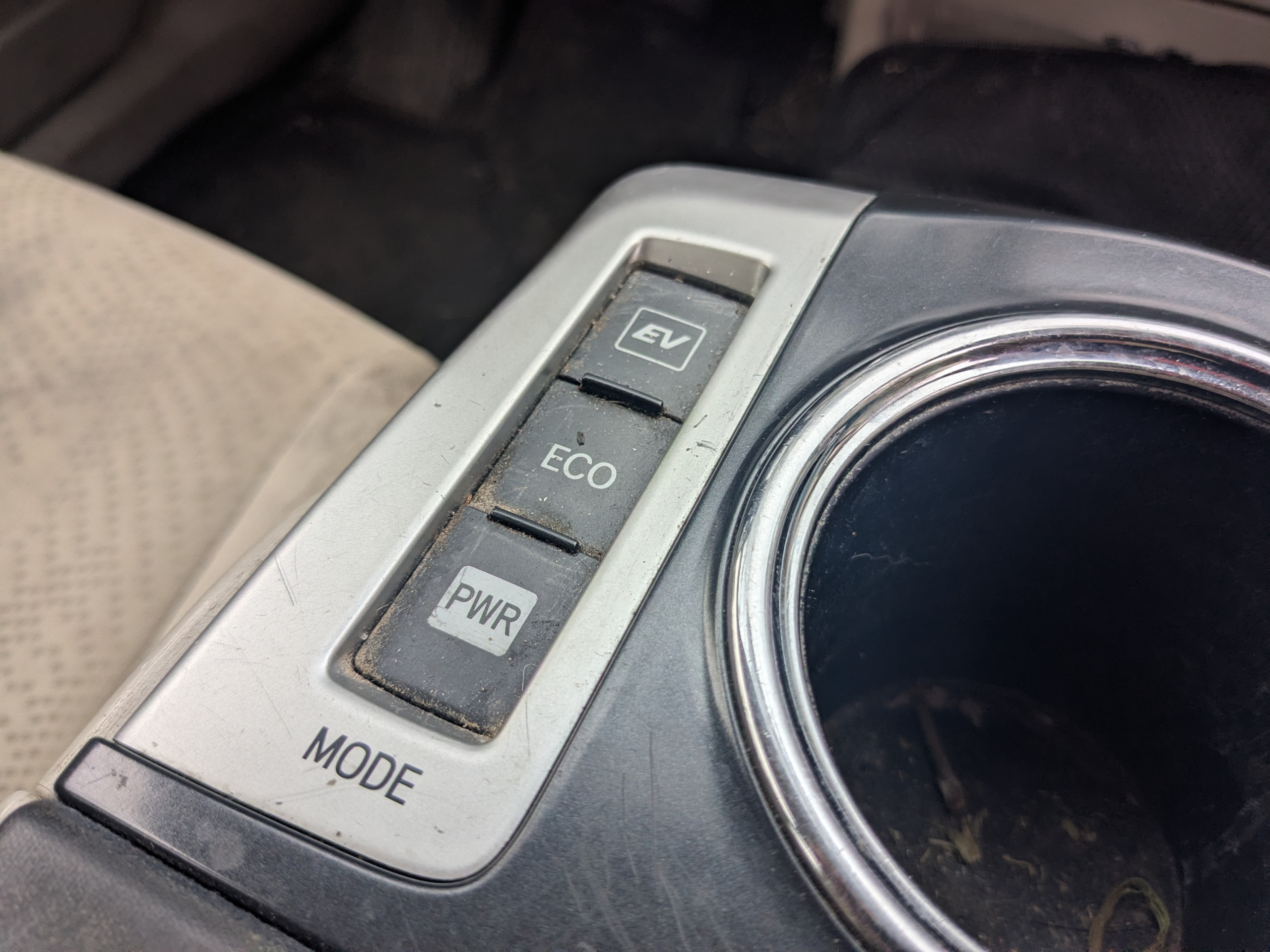
Many modern gas cars often have settings you can use to boost fuel economy. To help save gas, use your car’s “eco” setting. If you have auto on/off start, make sure it’s not disabled. One analysis found that this feature can improve fuel economy by between about 7% and 26%, depending on driving conditions. Every little bit adds up.
Cargo on the roof of your vehicle creates aerodynamic drag in the form of wind resistance, which lowers fuel economy. If an external cargo container is needed for a vacation or other big trip, remove it when it’s not in use to save fuel and money.
A little bit of planning to combine trips heading in the same direction can save time and money. Several short trips taken from a cold start can use twice as much fuel as a longer multi-purpose trip covering the same distance with a warm engine. To make the most of this energy-saving strategy, make a list of errands and map out the most efficient route to avoid unnecessary mileage and backtracking. If possible, avoid peak traffic since stop-and-go driving and excessive idling wastes fuel.
Most Americans use cars to get around – to travel to work and school, run errands, visit friends, and more. Relying on your car when there might be other options not only costs money, it also harms the environment.
If you’re trying to reduce how much you drive, one good first step is to practice traveling somewhere without your car. Google maps can be helpful for planning routes for walking or cycling. If you have a bike sitting in your garage, now would be a good time to take it to the shop for a tune up. For the cost of a tank or two of gas, you can have good transportation that’ll help you reach more places and get fit.
Try it one or two days a week or for the trips where it’s easiest. You might then want to work your way up. After doing this a few times, you might find that you appreciate how being active outside – on bike or by foot – reduces stress, enhances concentration, and makes you feel better.

If you live in a community with access to public transit, now’s a great time to explore that option to see if you can make it work for you.
Google maps can help you find a route that’s right for you, tell you where to make connections and estimate the cost of the trip. You can look for schedules close to when you’re planning to leave the house. Many transit agencies are also making it easier to pay on board.
If you often drive alone on a consistent schedule, another option to spend less on gas is to carpool. Carpooling basically means riding with other people who are going to the same location. Carpooling daily with just one other person cuts fuel consumption in half compared to each person driving by themselves. Carpooling can also be a chance to meet people and build connections with others who live in your community.
Many states and localities have set up carpooling programs where people can match-up with nearby commuters.
Some employers offer corporate carpooling programs to their employees, so it’s worth checking with your employer if that’s an option. And many employers offer their employees commuter benefits that allow them to pay for carpooling or vanpooling to work with pre-tax dollars, which can save hundreds of dollars per year on commuting expenses.
Some private companies such as Ridesharing.com have also set up dedicated apps and websites to help connect people in carpools.
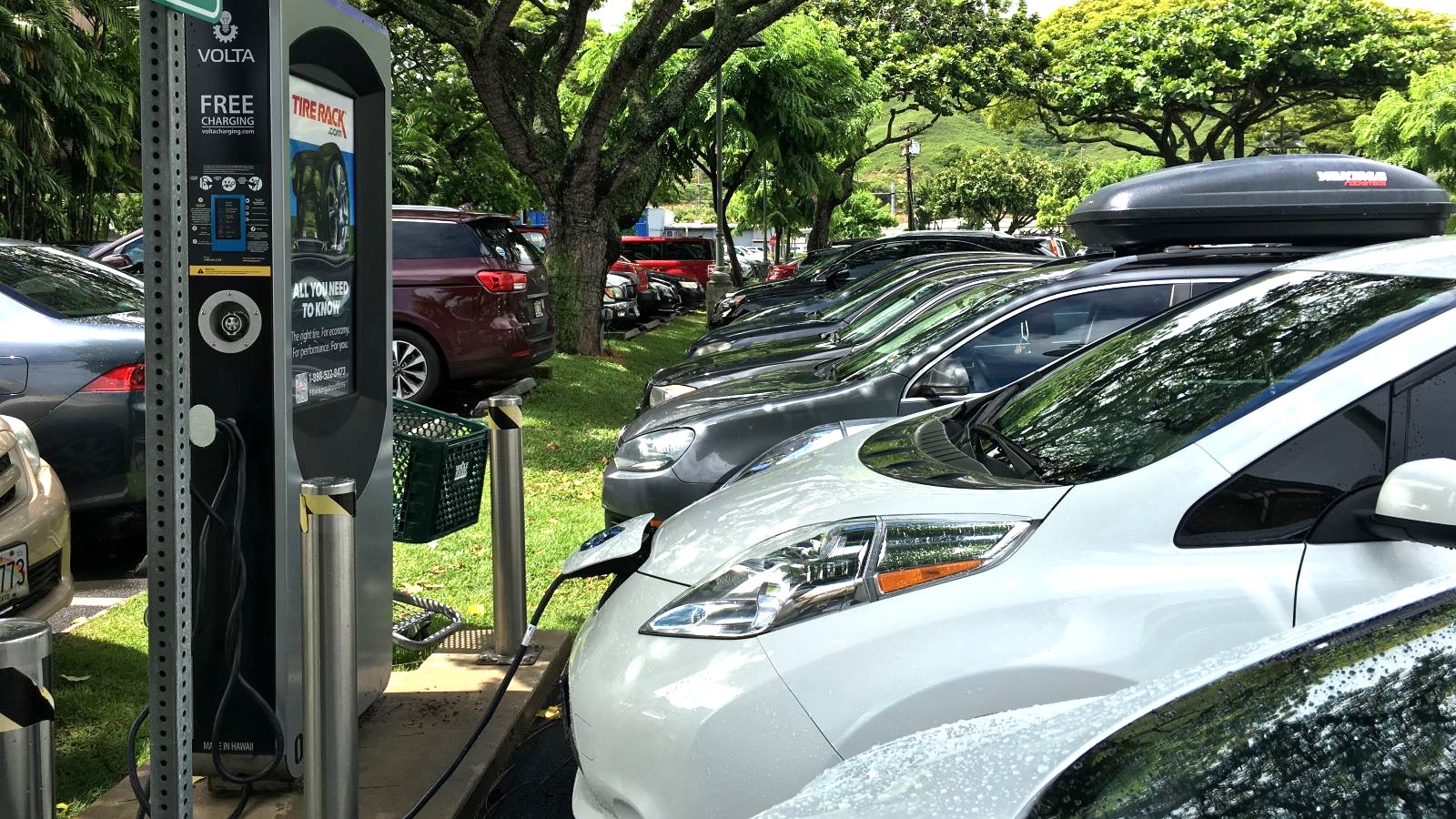
Electric vehicles (EVs) are far more energy-efficient than gas powered vehicles, and are increasingly powered by locally harvested renewable energy. For homeowners with solar panels and an electric vehicle, the energy to power their daily the commute literally shines down on them every day.
Over the lifespan of an EV, the savings on fuel and maintenance can add up to thousands of dollars. This makes EVs a smart long-term investment for cost-conscious consumers.
Now is a particularly good time to consider a used electric vehicle because a flood of three-year-old EVs will be coming off lease this year.
The jump in gas prices reminds us that gas-powered transportation leaves us all over a barrel. The best advice for consumers is to find ways to reduce gas consumption - not only for today, but for the future - which will reduce air pollution in addition to lowering what you pay at the pump.Andre DeLattre
Senior Vice President and Chief Operating Officer, Program, The Public Interest Network

The EPA just stopped counting the cost of lives lost to air pollution.
Senior Director, Campaign for 100% Renewable Energy, Environment America Research & Policy Center
Johanna directs strategy and staff for Environment America's energy campaigns at the local, state and national level. In her prior positions, she led the campaign to ban smoking in all Maryland workplaces, helped stop the construction of a new nuclear reactor on the shores of the Chesapeake Bay and helped build the support necessary to pass the EmPOWER Maryland Act, which set a goal of reducing the state’s per capita electricity use by 15 percent. She also currently serves on the board of Community Action Works. Johanna lives in Amherst, Massachusetts, with her family, where she enjoys growing dahlias, biking and the occasional game of goaltimate.
State Director, Illinois PIRG; Energy and Utilities Program Director, PIRG
Abe Scarr is the director of Illinois PIRG and is the PIRG Energy and Utilities Program Director. He is a lead advocate in the Illinois Capitol and in the media for stronger consumer protections, utility accountability, and good government. In 2017, Abe led a coalition to pass legislation to implement automatic voter registration in Illinois, winning unanimous support in the Illinois General Assembly for the bill. He has co-authored multiple in-depth reports on Illinois utility policy and leads coalition campaigns to reform the Peoples Gas pipe replacement program. As PIRG's Energy and Utilities Program Director, Abe supports PIRG energy and utility campaigns across the country. He also serves as a board member for the Consumer Federation of America. Abe lives in Chicago, where he enjoys biking, cooking and tending his garden.