
Our new report shows that getting our produce without plastic packaging is within reach.

We’ve all had the frustrating experience of shopping for fruits and vegetables only to find them packaged in plastic. Lemons in plastic film bags, onions in plastic mesh bags, fresh herbs in plastic clamshells, individually shrink-wrapped sweet potatoes or cucumbers, mushrooms in a foam tray with plastic film– the list goes on and on.
All of this plastic is a threat to public health and the health of our planet. Designed to be used only for a few days, hours or even minutes, plastic packaging is typically thrown away and eventually makes its way to an incinerator, landfill, or is lost to the environment where it can last for centuries. Over time, plastic degrades into tiny plastic particles that now permeate our food, water, air and even our bodies.
We wanted to figure out just how much plastic packaging is being used on fruits and vegetables at grocery stores across the country. So, in the fall and winter of 2025-2026, our researchers surveyed 40 grocery stores in five U.S. cities to evaluate the plastic packaging used on fresh produce.
Our team looked at the packaging for common herbs, fruits and vegetables including basil, broccoli, carrots, cherry tomatoes, lemons, portobello mushrooms, romaine lettuce, spinach, strawberries, and sweet potatoes.
We found that an eye-popping 81% of the surveyed produce was sold with plastic packaging including plastic clamshells, plastic mesh bags, plastic film, plastic trays and plastic twist-ties. 6% of the produce was sold with a plastic produce sticker, and only 12% of surveyed produce was sold plastic-free. This is especially absurd given that most fruits and vegetables come with adequate natural packaging.
The good news is that our surveyors found plastic-free packaging options already available on the market, and that product lines for nine out of the ten produce types that we looked at were sold with no plastic at all.
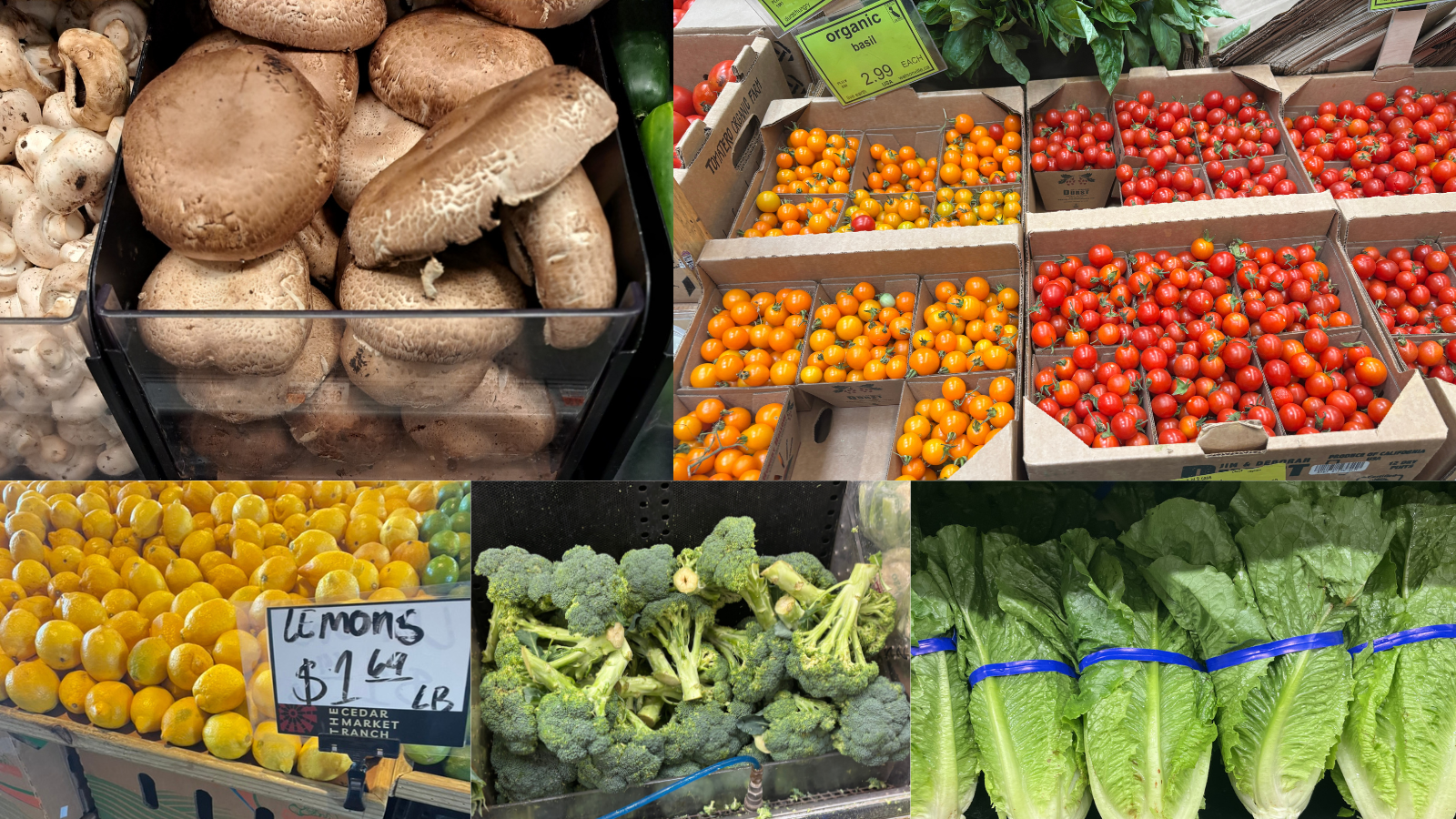
As the challenge of plastic pollution continues to grow, grocery retailers need to step up and do more to reduce their use of plastic packaging– and since plastic-free options are already available for many fruits and vegetables, eliminating plastic in the produce aisle is low hanging fruit.
Read our full report to see more of our findings.

We’re calling the biggest retailers to eliminate unnecessary packaging. Add your name to our petition.
State Director, Environment Oregon; Director, Beyond Plastics, Environment America
As director of Environment Oregon, Celeste develops and runs campaigns to win real results for Oregon's environment. She has worked on issues ranging from preventing plastic pollution, stopping global warming, defending clean water, and protecting our beautiful places. Celeste's organizing has helped to reduce kids' exposure to lead in drinking water at childcare facilities in Oregon, encourage transportation electrification, ban single-use plastic grocery bags, defend our bedrock environmental laws and more. She is also the author of the children's book, Myrtle the Turtle, empowering kids to prevent plastic pollution. Celeste lives in Portland, Ore., with her husband and two daughters, where they frequently enjoy the bounty of Oregon's natural beauty.