

Some forms of energy generation are dirtier than others
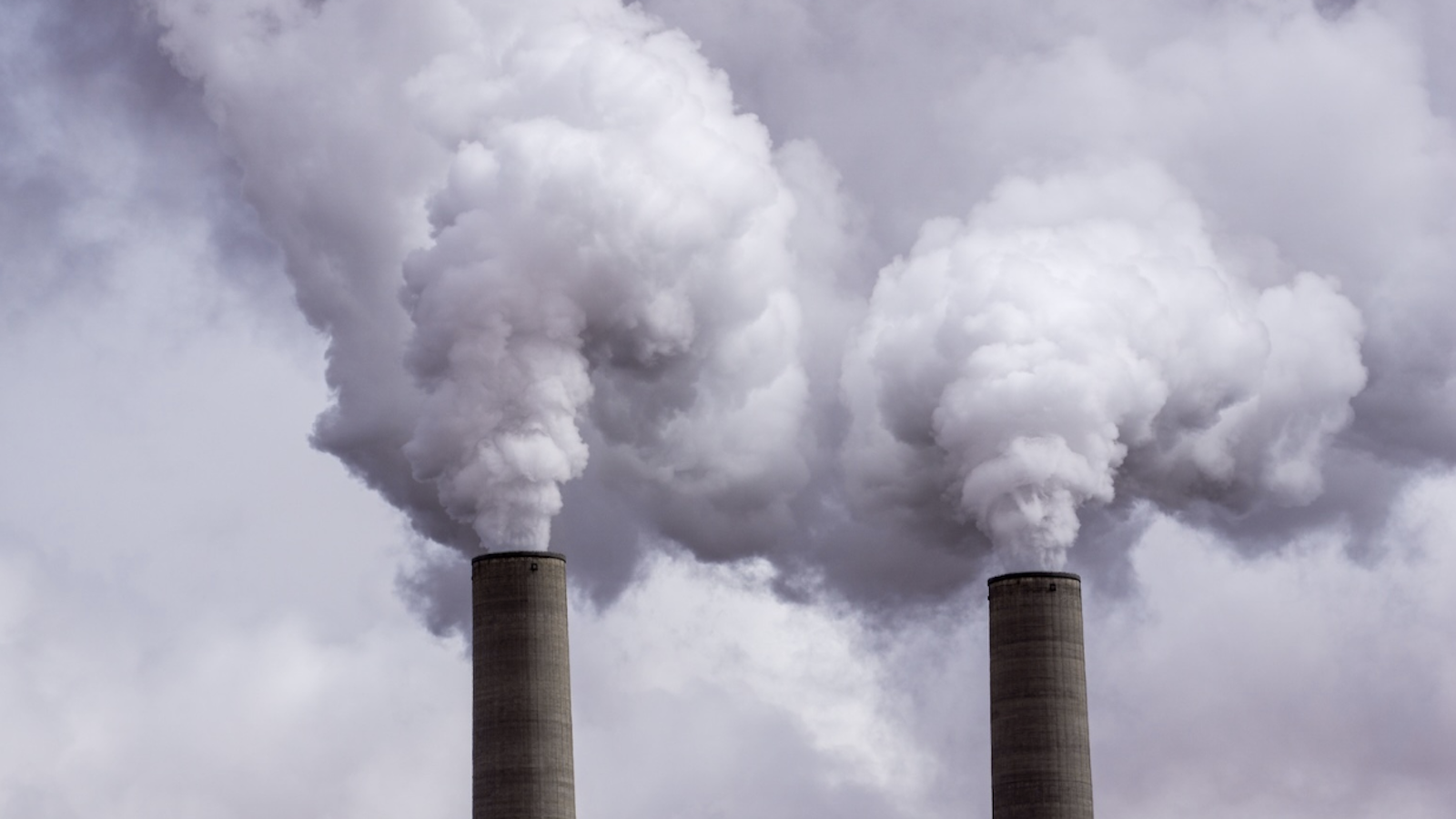
For more than a century, Americans have enjoyed the unprecedented comfort and convenience of electric lighting. Every time you flipped a light switch, your room instantly flooded with light.
Yet each flip came with a price.
In the early days of electricity, much of America’s energy needs were generated by burning fossil fuels. More recently, a portion of our energy has been generated by splitting atoms through nuclear fission. Today, a small but increasing amount of power is being generated by clean, renewable sources such as solar and wind.
Despite these advances, the U.S. still gets roughly 60% of its electricity from fossil fuels and another 18% from nuclear. And that’s a problem.
“Dirty energy” isn’t a scientific term. Applying the word “dirty” to any form of energy is purely a subjective exercise.
Still, our researchers and policy analysts have come up with a set of criteria to define whether we, as a society, should consider an energy source to be dirty. By our definition, an energy source must meet one or more of the following criteria to be considered dirty:
One dirty way to generate energy is by burning fossil fuels.
Over millions of years, the remains of ancient plants, algae, bacteria and marine organisms—or fossils—transformed into the carbon-rich coal, petroleum and gas that our country has relied on for more than a century. And whereas coal formed from plants, petroleum and gas likely formed from algae, plankton and other tiny sea life that settled to the bottom of ancient oceans.
Measured by material progress, the fossil fuel era served us well. But we continue to pay the price for these dirty energy sources in the forms of ecological degradation, health damage and climate disruption. Let’s take a closer look at each source.
Historically, coal has been our country’s primary energy source for electricity generation. It’s also the heaviest polluter of all fossil fuels.
How does it work? First, miners extract coal from the earth. After it’s crushed, screened and washed, power plants then burn the coal at extremely high temperatures, creating heat. This heat surrounds boiler tubes filled with water, converting that water into steam. The steam is directed toward a turbine, where it forces the turbine’s shaft to spin. The rotating turbine drives an electric generator, which converts this mechanical energy into the electricity necessary to light our homes and power our lives.
Generations of coal miners have endured hazardous and grueling labor, and the environmental and human toll of coal extraction and combustion is staggering. The mining process has flattened mountaintops, contaminated waterways and fundamentally altered ecosystems. The release of sulfur dioxide, nitrogen oxides, mercury and other harmful pollutants when coal is burned has increased cancer and asthma rates. It has also impaired children’s development.
There’s more. Burning this carbon-rich fuel creates a massive carbon footprint. And because coal releases more carbon dioxide into the atmosphere per unit of energy than any other fuel, burning coal to generate electricity directly heats our already warming world.
As the driving force behind global transportation, oil fuels our cars, ships and airplanes.
Crude oil is naturally stored in deep, underground reservoirs. To access these deposits, we must drill for it. First, oil companies use specialized machinery to bore into the earth’s surface or beneath the seabed. Once they extract oil from the ground, these companies then refine it. First, they heat oil at a refinery so gas forms. As gas rises, it cools below its boiling point and condenses into liquid. This liquid are then processed further to make more gasoline or other finished products, including the raw materials used to make plastic.
Despite its widespread global use, the extraction and consumption of oil carries consequences. Seismic airgun blasts map underground rock layers beneath the seafloor and destabilize marine ecosystems in the process. When pipelines break, oil tankers sink or drilling operations go wrong, the resulting oil spills can harm and even kill wildlife. And when oil is burned, it releases massive quantities of carbon dioxide into the atmosphere, intensifying global warming.
Although it’s often marketed as a cleaner fuel option, methane gas (or what the industry likes to call “natural” gas) is another dirty fossil fuel. Like coal and petroleum, gas forms from the plants, animals, and microorganisms that lived millions of years ago. Over time, high temperatures cause their carbon bonds to break down. This molecular breakdown produces gas.
Gas deposits are often near oil deposits: underground. And while we consider all gas drilling to be dirty, some gas that’s trapped deep within the Earth must be extracted via the controversial process of fracking. Hydraulic fracking is the process of splitting shale rock open using a high-pressure stream of water, which then allows gas to flow out from underground. Perhaps unsurprisingly, fracking requires large amounts of water. It also pollutes waterways, damages ecosystems and harms wildlife.
Gas’s main climate consequence, however, comes from methane leaks. Methane is a powerful greenhouse gas, and methane leaks heat our warming atmosphere. Worse, some studies have found that the Environmental Protection Agency underestimates the amount of methane gas that leaks into the atmosphere during its production and transportation.
It’s also worth mentioning that gas poses dangers to human health. When we burn gas inside our homes via gas stoves and gas heaters, nitrogen dioxide and other hazardous pollutants are emitted directly into our indoor air. This can lead to respiratory problems, including an increased asthma risk in children.
Nuclear energy originates within the core, or nucleus, of an atom. This power can be harnessed to generate electricity, and the process of removing energy from atoms is called fission.
A nuclear reactor regulates the fission process for electricity generation, and reactors typically use uranium as their primary fuel. Inside the reactor, uranium atoms are forced to break apart, which releases fission particles that collide with neighboring uranium atoms and cause them to split. This continuous cycle establishes a self-sustaining chain reaction, yielding massive amounts of heat. This heat created by nuclear fission warms the reactor’s cooling agent, which is usually water, and it then produces steam. The steam turns turbines, which drive the generators that create electricity.
As concerns over global warming and climate change grow, proponents of nuclear energy have attempted to characterize it as a “clean” energy source. But nuclear power does not meet our criteria of being virtually pollution-free, inexhaustible, safe and an efficient use of resources. It also carries many risks to both people and the environment, including:
Ultimately, nuclear energy isn’t the best use of our finite resources. It’s not worth the risks, either, especially when we have significantly cleaner and safer options already available.
Dirty energy leaves a destructive footprint. Relying on fossil fuels and nuclear power to meet our energy needs carries significant long-term costs for people, wildlife and the planet. First, burning fossil fuels is driving global warming and climate change. The impacts of a warming planet, which include increased and more severe natural disasters, droughts, rising sea levels and ocean acidification impact the health and well-being of every living being on Earth.
People also feel the costs of dirty energy directly. Air pollution from power plants and vehicles can cause heart attacks, asthma, strokes and other serious health effects. Communities located near fracking or mining sites can find their drinking water sources contaminated with toxic chemicals, posing immediate threats to localized public health.
Dirty energy is ultimately defined by the pollution it generates, the atmospheric warming it creates or its heavy environmental toll. The good news is that we already possess the technologies required to generate the energy we need in ways that are genuinely clean and renewable, such as solar and wind. More and more people are embracing these technologies and, with the steady expansion of utility-scale battery storage, energy grids can remain clean and renewable even when the sun isn’t shining and the wind isn’t blowing.
The bad news? Key federal incentives for clean energy have been reduced or outright eliminated in recent months, which threaten to slow down the deployment of these vital technologies. This makes grassroots action more important than ever.
You can help accelerate our transition to clean energy by urging your utility company to make it easier for people to install solar panels and battery backups so we can have clean and reliable backup power. Tell your utility company: Make it easier to go solar now.
Senior Director, Campaign for 100% Renewable Energy, Environment America Research & Policy Center
Johanna directs strategy and staff for Environment America's energy campaigns at the local, state and national level. In her prior positions, she led the campaign to ban smoking in all Maryland workplaces, helped stop the construction of a new nuclear reactor on the shores of the Chesapeake Bay and helped build the support necessary to pass the EmPOWER Maryland Act, which set a goal of reducing the state’s per capita electricity use by 15 percent. She also currently serves on the board of Community Action Works. Johanna lives in Amherst, Massachusetts, with her family, where she enjoys growing dahlias, biking and the occasional game of goaltimate.